Mike Kazimer on the Evolution of Bike Testing, Modern Geometry, and Keeping Tech Simple
listen now 🇺🇸
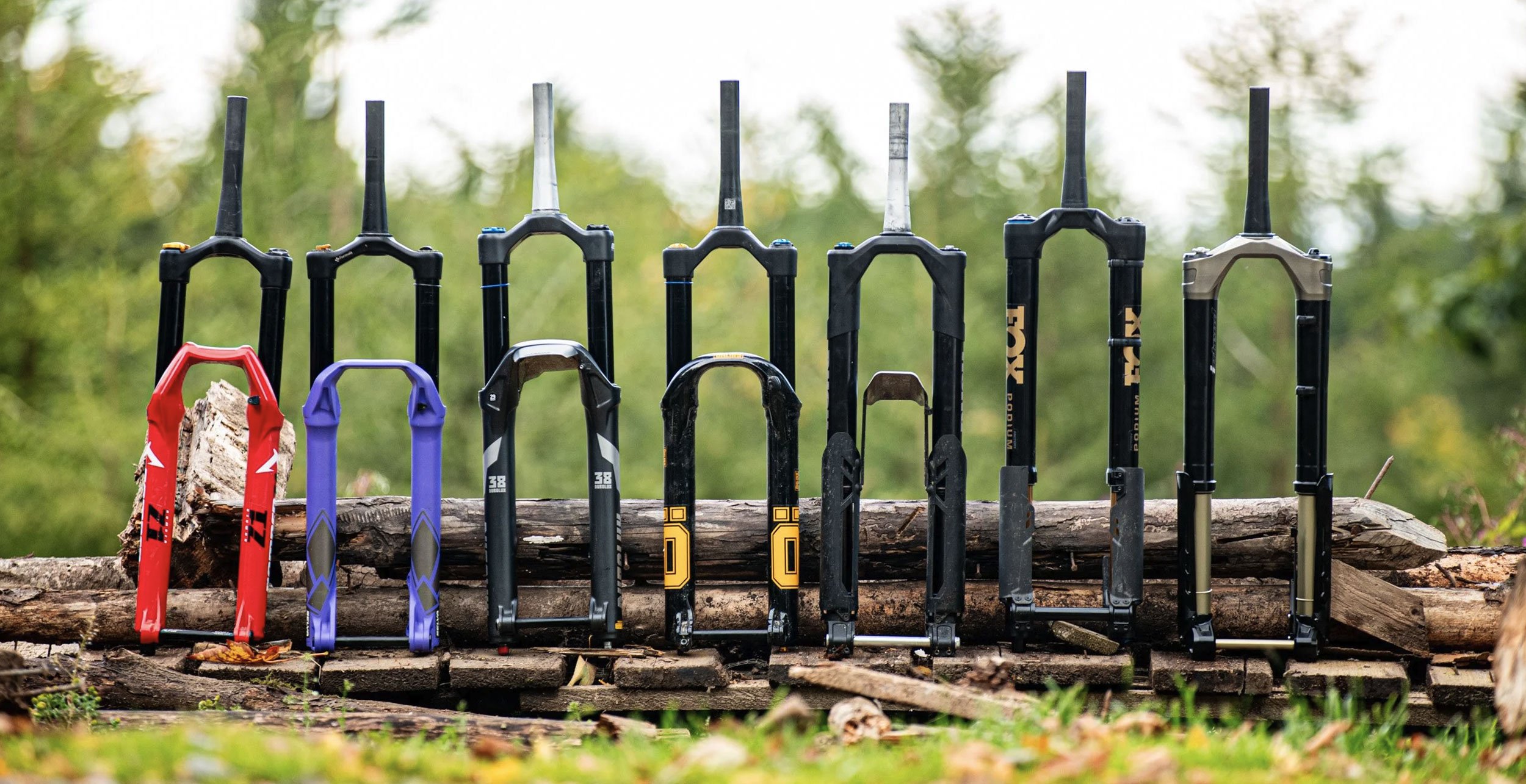
FORK FIELD TEST 🇺🇸 & 🇩🇪
In this final summary, we provide you with a conclusion and a review of all the test impressions from our 170 mm suspension field test. However, we don't just want to provide raw numbers and travel curves. We dive deeper into ride feel and shed some light on what really matters. A fork that matches your riding style.
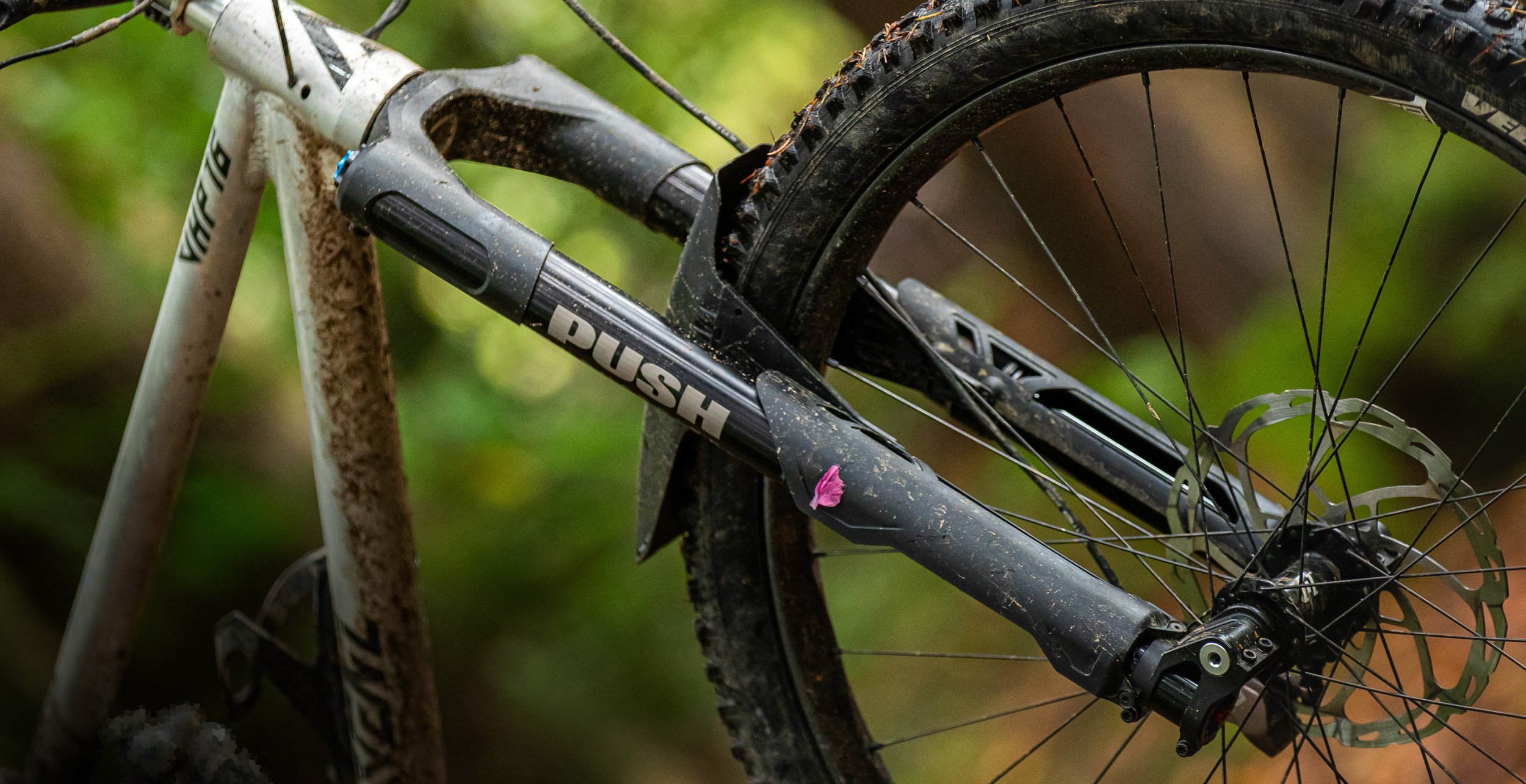
The Nine.One V2 upside-down suspension fork combines not only a special approach from a small company in Colorado, but also a completely different philosophy to what you would normally expect from off-the-shelf competitors. Steel spring, custom setup for each customer, and two ways to influence the spring characteristic curve... We tested the Push Nine.One V2 and were taken by surprise. Different = better?
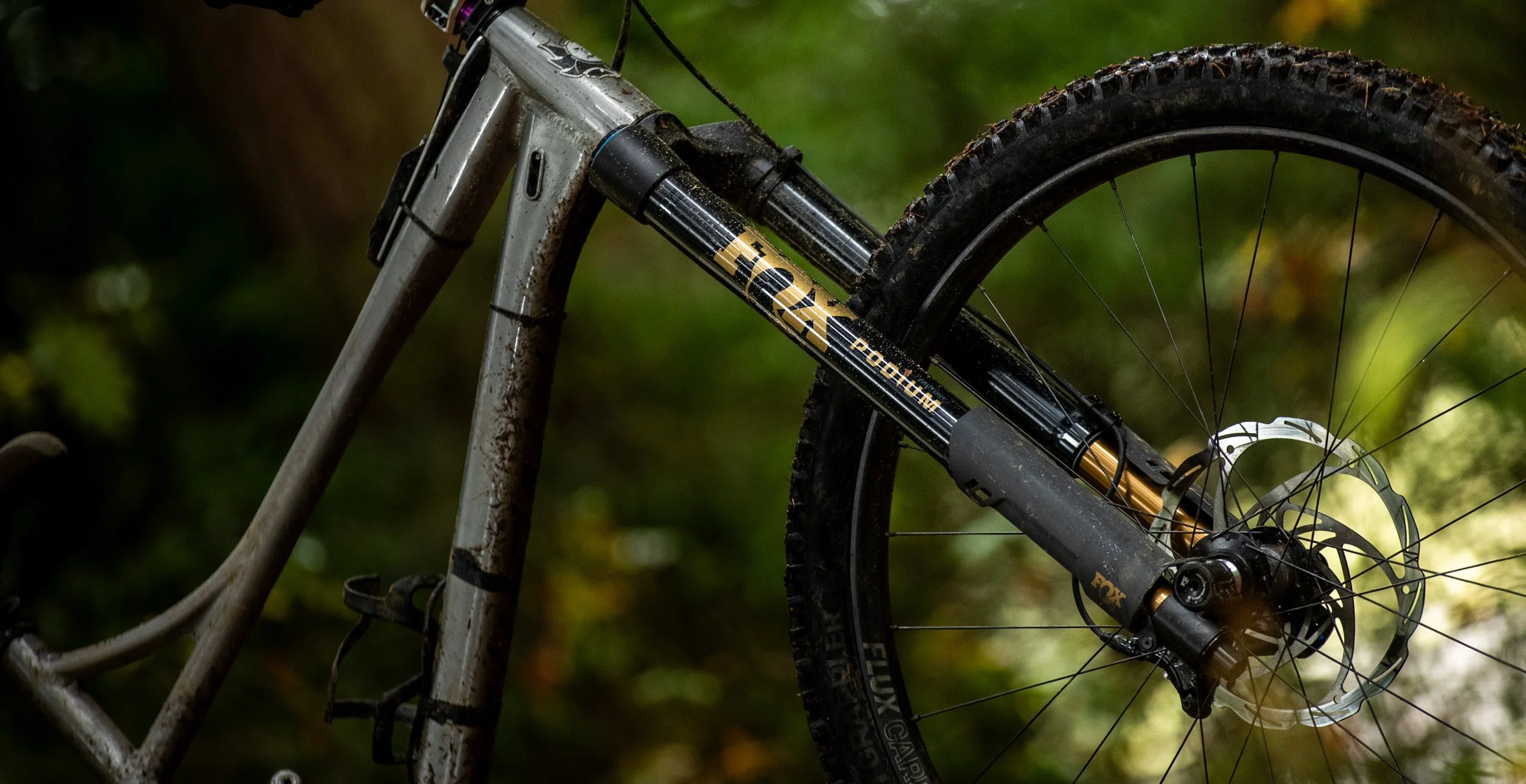
The first article in our big suspension fork fieldtest. Is the FOX Podium Factory suspension fork worth the hype? How does it perform on the trail? Who is it really suitable for – everyone? What do you need to consider when setting it up? We've ridden it extensively and will answer all your questions in our detailed FOX Podium test report.
ALL FORKS 🇺🇸
ALLE GABELN 🇩🇪
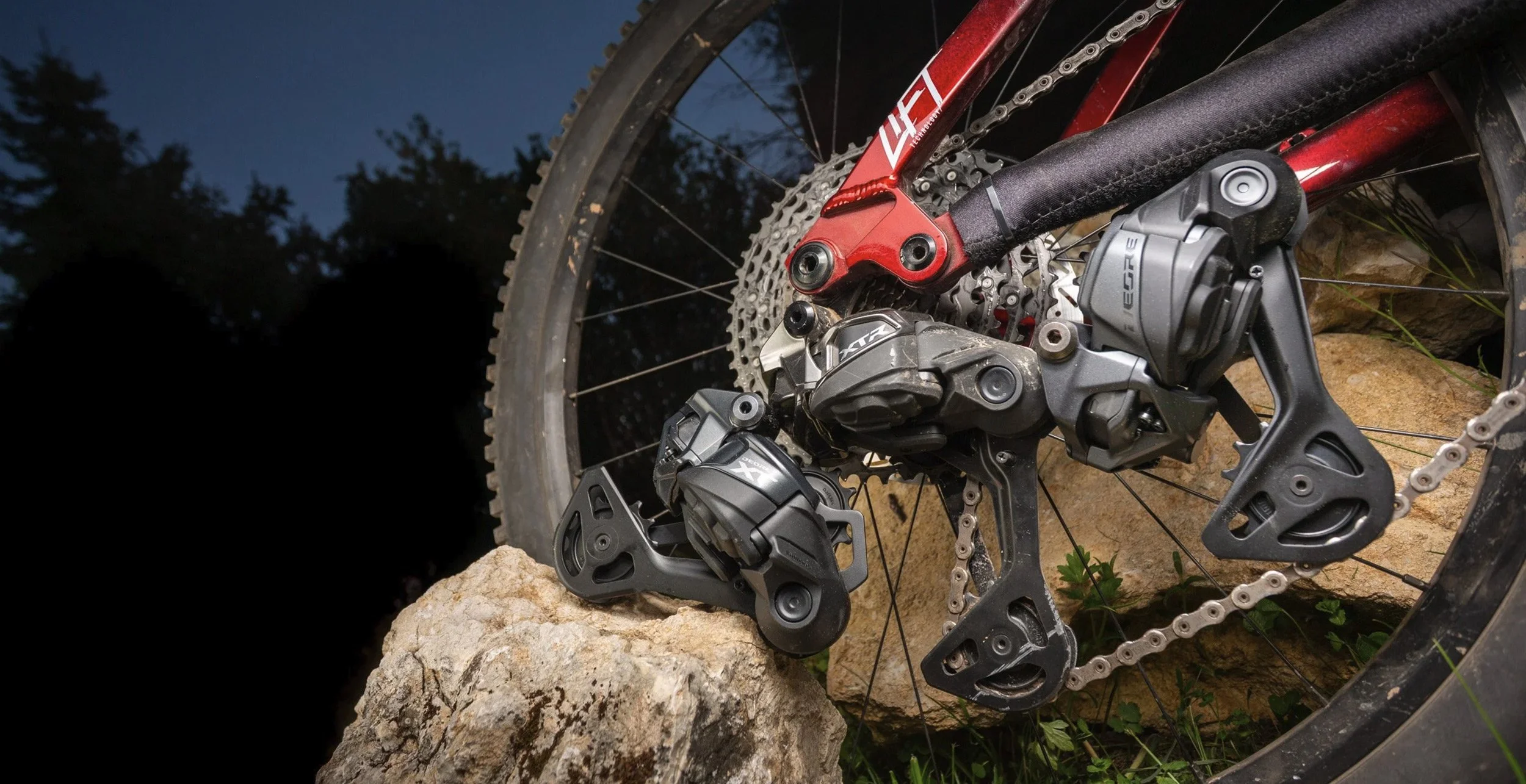
SHIMANO DI2 XTR, XT UND DEORE
Vergleichstest Lesen 🇩🇪
Podcasts 🇺🇸 & 🇩🇪
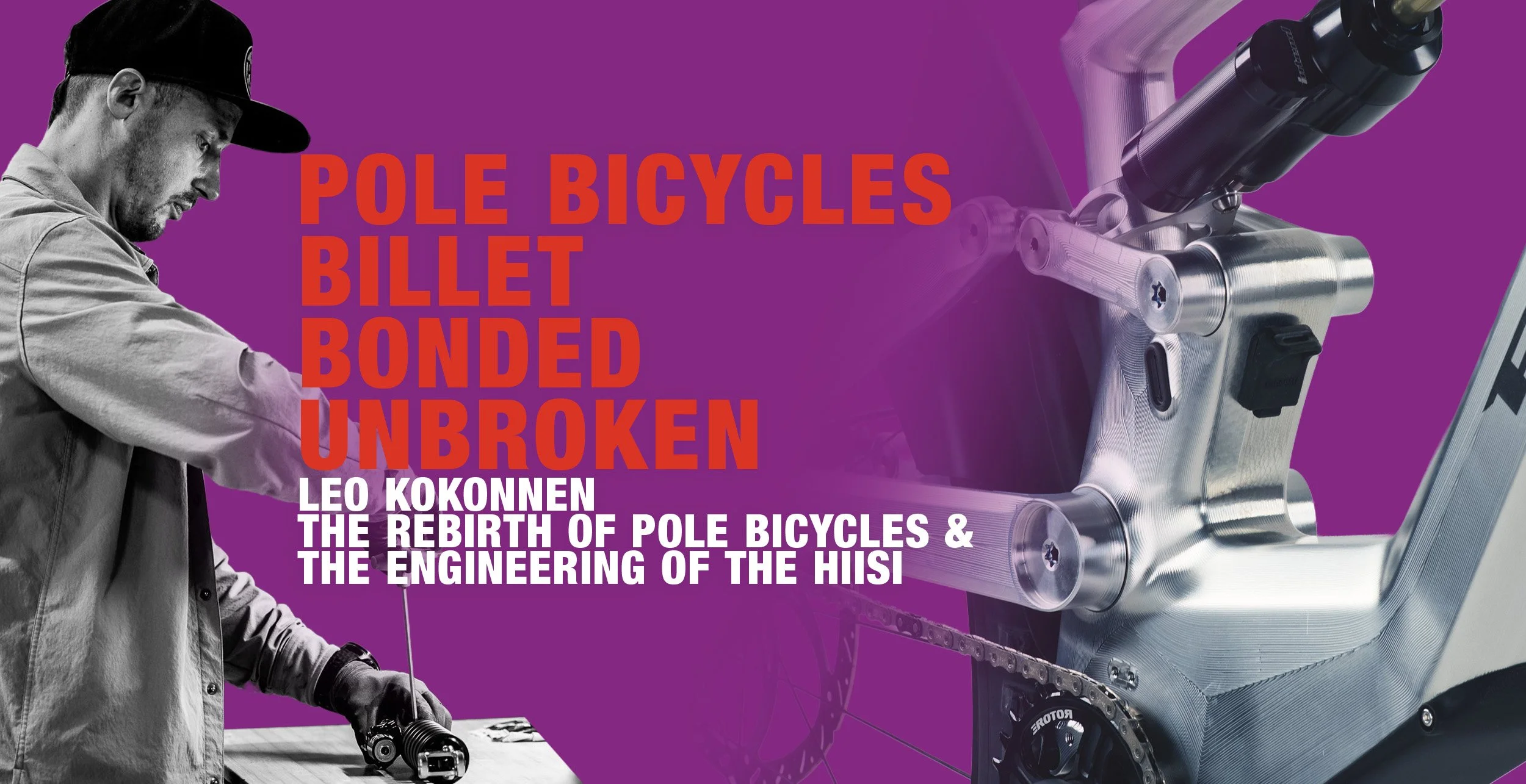
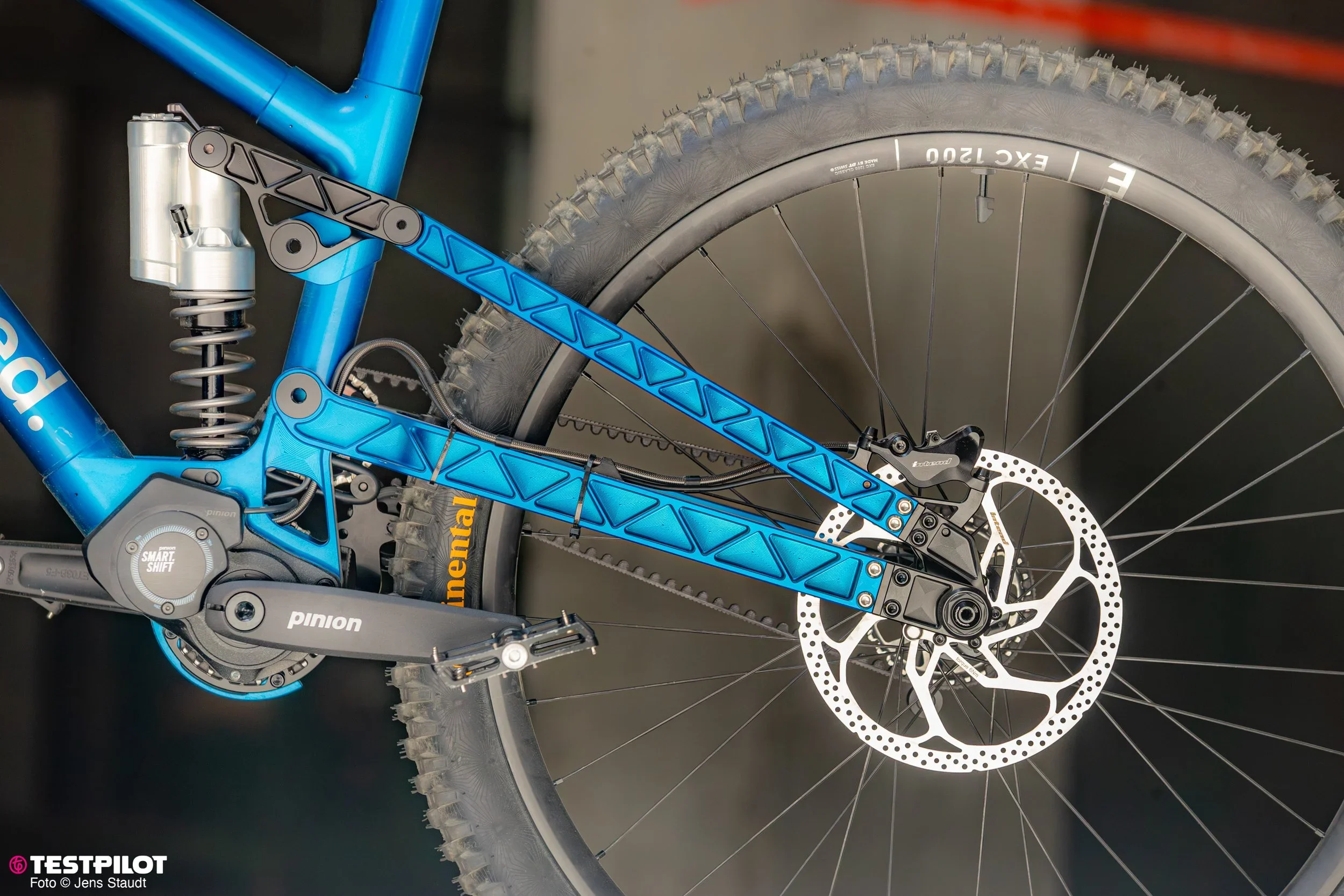
In this episode of the TESTPILOT.bike Podcast, host Jens Staudt sits down with Leo Kokkonen, founder and chief designer of Pole Bicycles. Following a tumultuous period in the bike industry, Kokkonen returns to detail the brand's pivot from high-volume manufacturing to ultra-exclusive, bespoke bike building.
The conversation focuses on the debut of the Pole Hiisi, a revolutionary e-MTB platform machined from solid billet 7075-T6 aluminum, featuring modular travel options (152mm–200mm), bridge-less swingarm compliance tuning, and the high-torque, silent Maxon BikeDrive Air S motor.
The mountain bike industry is obsessed with acronyms, and after decades of marketing buzzwords like "EVO," "Aggressive," "Downcountry," and the (now fading) Enduro-Race, it feels like we’ve finally reached peak confusion. We spent years defining our sport, only to throw the rulebook out the window the moment e-bikes hit the scene. But are these ever-shifting categories actually helping you find the right tool for the trail, or are they just a clever way to sell you the "N+1" bike you don't really need?
In this episode of the Testpilot podcast, Jens Staudt sat down with industry veteran Guy Kesteven to strip away the "Excel spreadsheet" side of mountain biking. From the 32-inch wheel debate and the evolution of VPP versus Horstlink suspension to the honest reality of whether geometry innovation has hit a plateau, we’re cutting through the marketing noise. Whether you're a bike nerd with a garage full of vintage frames or a rider wondering if your bike is "capable enough," this is the reality check you’ve been waiting for.
If you’ve ever found yourself deep in the weeds of suspension kinematics or obsessing over damping curves, you’re in good company. In the high-tech sanctuary of Push Industries in Colorado, founder and CEO Darren Murphy has spent two decades following his very own revolution in mountain bike suspension. This isn't just about making better parts; it's a technical philosophy—and perhaps a bit of stubbornness—required to build a manufacturing powerhouse that prioritizes elite performance above all else.
This episode sheds light on the history of the company and later takes a deep dive in how Push suspension works. It explains a lot about how suspension works and you will learn a lot directly from the mind behind the product.
tests 🇩🇪
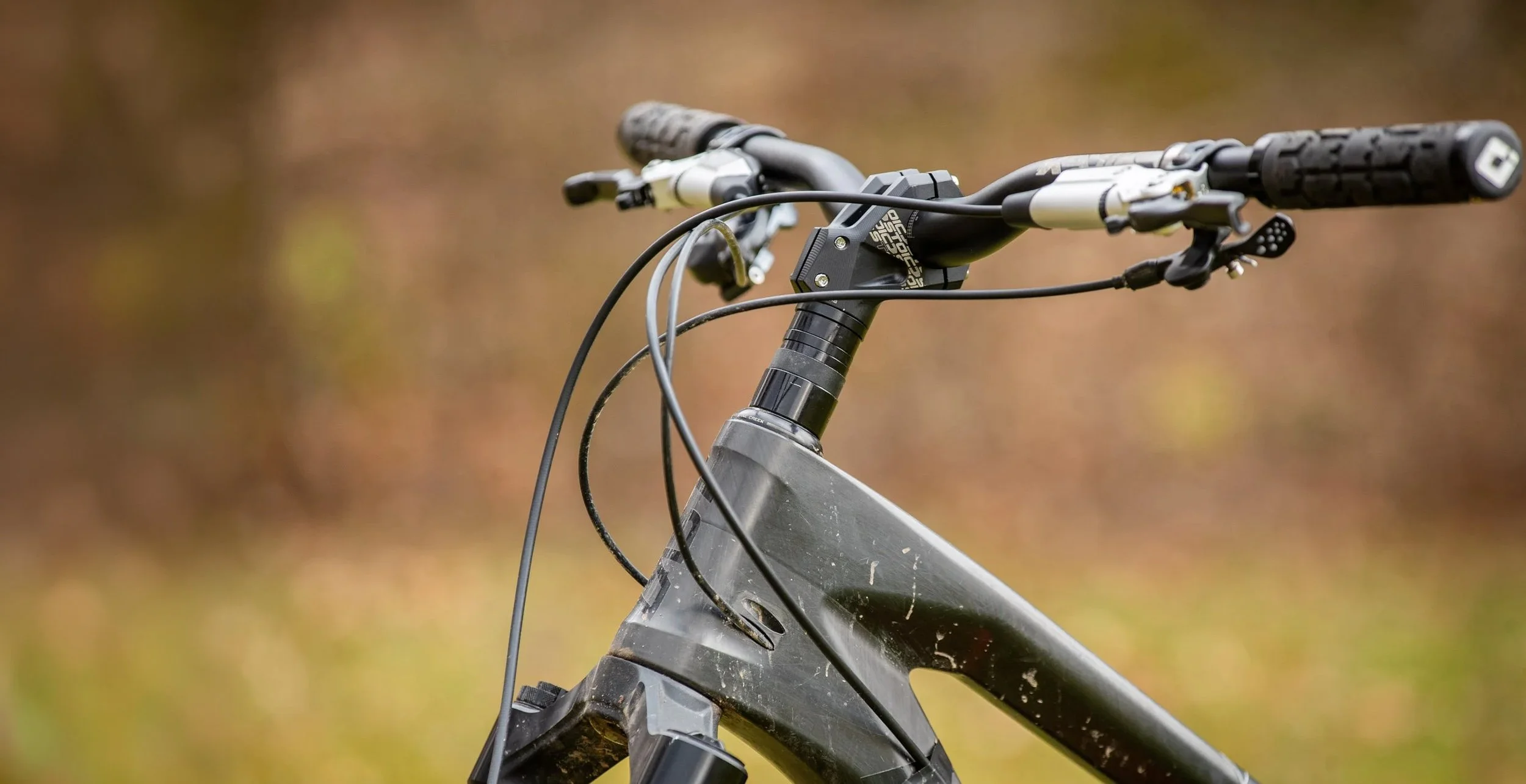
Der erhöhte und nach hinten gedrehte Vorbau. Immer wieder sorgt das Setup, das Reece Wilson und Co. im Downhill-Worldcup fahren, für Aufsehen. Andere Profis schmunzeln und die Keyboard-Warrior lassen die Tasten glühen. Auch auf den Trails schaute ich in fragende und ablehnende Gesichter. Doch muss etwas schlecht sein, nur weil es aus der Norm fällt? Zumindest sieht Reece damit nicht langsam aus und sein zweiter Platz in Andorra zeigt, dass diese Kombi sogar Potenzial fürs Podium hat. Ich habe mir einen Raised Reverse-Vorbau im Eigenbau gebastelt. In diesem Artikel beleuchte ich diese etwas andere Konstruktion und schildere meinen Fahreindruck.
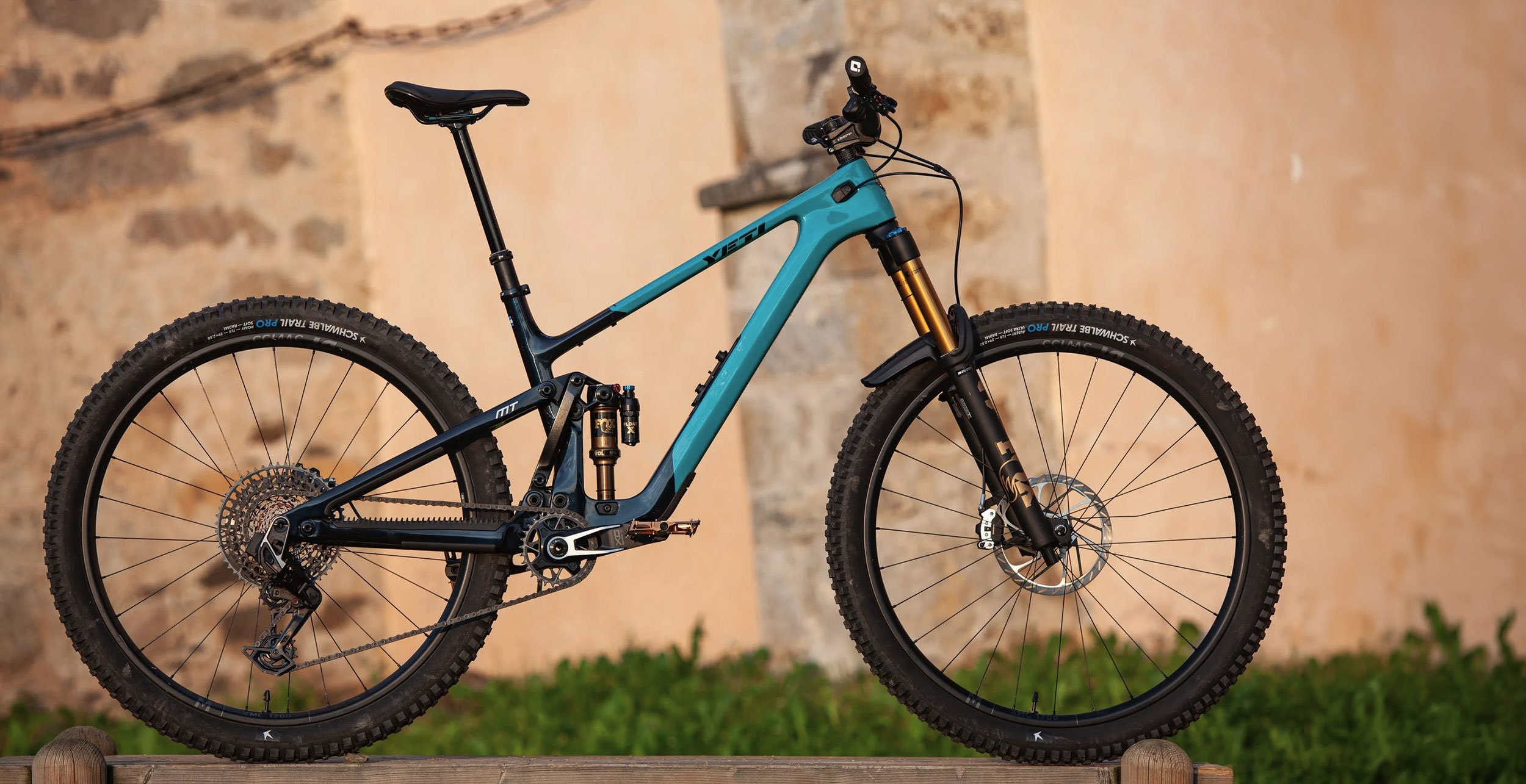
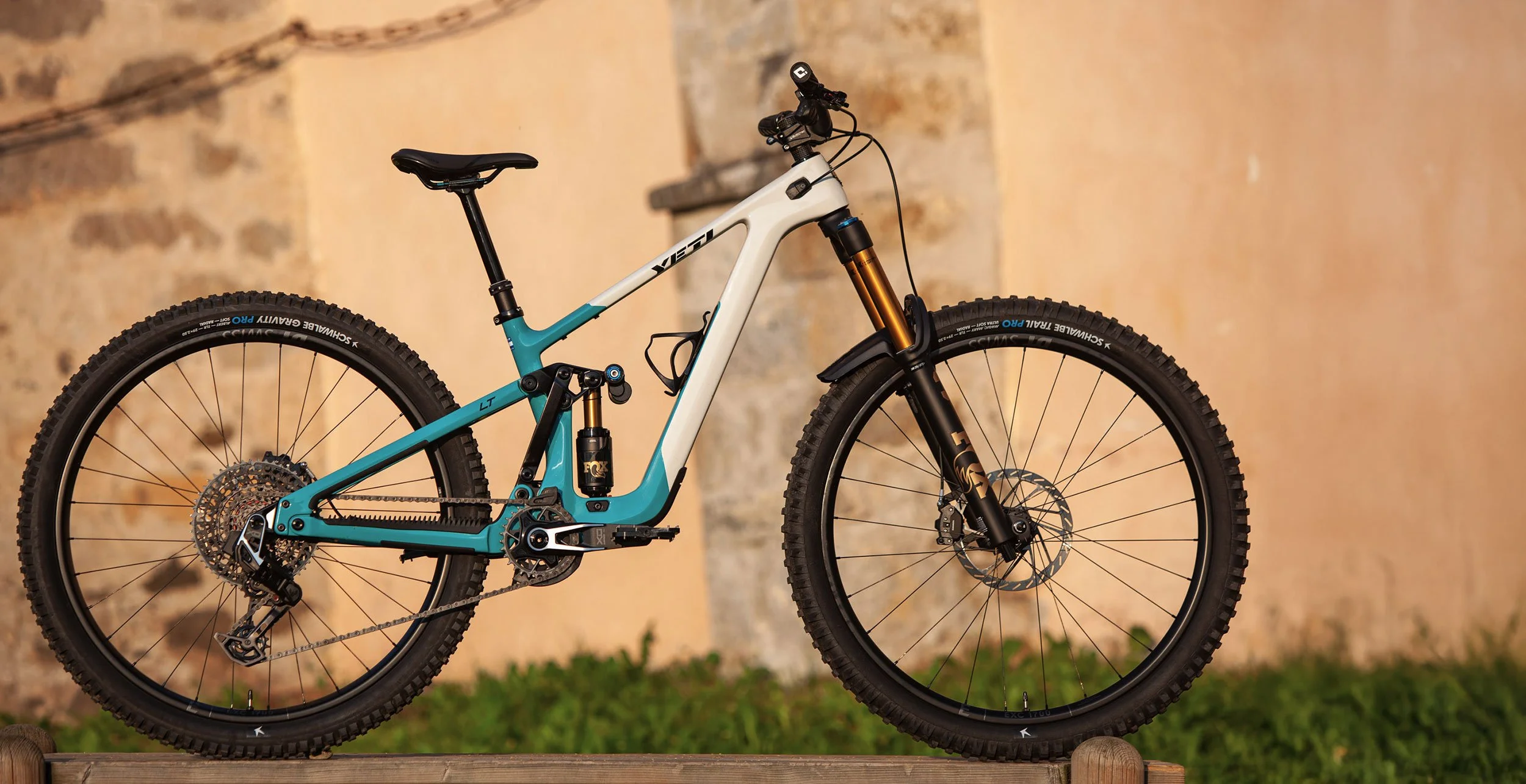
Yeti Cycles stellt das neue LT Bio-Bike-Enduro vor. 170 mm Federweg vorne und 160 mm hinten. Mit dem neuen Sixfinity-Hinterbau ersetzt es das SB160 und SB165. Der Hersteller aus Colorado erarbeitete sich über die Jahre hinweg einen Ruf als ambitionierte und exklusive Rennschmiede. Wir waren beim Yeti-Presscamp in Brixen und konnten das neue LT Enduro-Bike einem Test unterziehen. Hier bekommt ihr alle Details zum neuen Yeti LT und den ersten Fahreindruck.
Während viele Hersteller ihre Rahmenentwicklung hinter verschlossenen Türen betreiben, verfolgt Kavenz einen anderen Ansatz: maximale Transparenz. Bereits das erste VHP16-Modell wurde öffentlich dokumentiert, technische Entscheidungen offen diskutiert und Prototypen über mehrere Entwicklungsstufen hinweg gezeigt. Dieses Bike entwickelte sich schnell zu einem Geheimtipp unter technisch interessierten Fahrern. Über die Jahre wurde die Plattform stetig weiterentwickelt und erreichte mit dem späteren VHP V7 einen bemerkenswerten Reifegrad. Besonders die konsequente Modularität, die Größenphilosophie und die hohe Fertigungsqualität sorgten für Aufmerksamkeit weit über die deutsche Bikeszene hinaus. Die Kinematik wurde verfeinert, die Fertigung optimiert und mit der Pinion-Version öffnete sich Kavenz zusätzlich dem Thema Getriebeantrieb. Trotz der positiven Resonanz blieb eine zentrale Frage bestehen: Wie weit lässt sich das Konzept noch weiterentwickeln? Die Antwort darauf ist das VHP X.
In diesem Artikel bekommt ihr eine übersichtliche Zusammenfassung der behandelten Themen, alle Details zum Rahmen und den ersten exklusiven Testeindruck des Kavenz VHP X 20 mit Pinion-Getriebe.
Die Debatte um Laufradgrößen schien nach dem Triumph von 29 Zoll und der Etablierung von Mullet-Setups endgültig beendet. Doch das Alutech Pelmo 32–275 bricht radikal mit diesem Konsens: Nach einem wegweisenden Podcast-Vorgespräch in Freiburg schickt Alutech-Chef Jürgen Schlender ein „Super-Super-Mullet“ mit 32-Zoll-Vorderrad und 27,5-Zoll-Heck auf den Trail. Auf den verblockten, staubtrockenen Tiefen des Bunker Trails am Reschenpass konnten wir das Bike einem ersten Test unterziehen. Das Experiment ist kein Marketing-Gag, sondern wirft fundamentale Fragen auf: Wie viel Flex braucht die Front, wie reagiert die Geometrie auf die extremen Hebelkräfte – und sind wir bereit für den nächsten Evolutionssprung?
BIKES & Customs 🇩🇪
Die Eurobike 2026 hat wieder einmal gezeigt, wohin die Reise geht. Von den neuesten E-Bike-Innovationen bei Amflow und Rotwild bis hin zu spannenden Entwicklungen bei Nukeproof, Orange und den Experten von TrueBC und Unchained – wir haben uns für euch auf der Messe umgesehen. Erfahrt alles über die Trends, technischen Highlights und die spannendsten Neuheiten, die uns hoffentlich alle in der kommenden Saison auf den Trails begegnen werden.
Die Eurobike ist tot – lang lebe die Eurobike. Zum 34. mal traf sich die Bikeindustrie zum regen Austausch, Businesstalk und natürlich um neue Bikes und Teile zu präsentieren. Auch wenn die Messe stark verkleinert wurde gegenüber letztem Jahr fanden sich spannende Neuheiten. Und versprochen. Es sind nicht nur E-Bike-Motoren und 32 Zoll Bikes. In diesem Artikel beleuchten wir einige der relevanten Neuheiten.
Auf dem Bikefestival Freiburg trafen wir zum ersten Mal Sven Brück und Matthias Reichmann mit ihrem SENDuro Prototypen aus Carbon und Alu. Was damals als Kooperation von MEBCarbon (Sven) und Reichmann Engineering (Matthias) startete, nimmt weiter Form an und hört mittlerweile auf den Namen DEDICATED Bikes. Sven ist Gründer der Marke und zuständig für die Entwicklung von Struktur und Design. Matthias entwickelt die Kinematik. Ganz neu präsentierte das Team kürzlich den ersten E-Bike Prototypen. Was es damit auf sich hat und wann das Bike in Serie gehen soll, erfährst du in diesem Artikel.
COLUMNS 🇩🇪
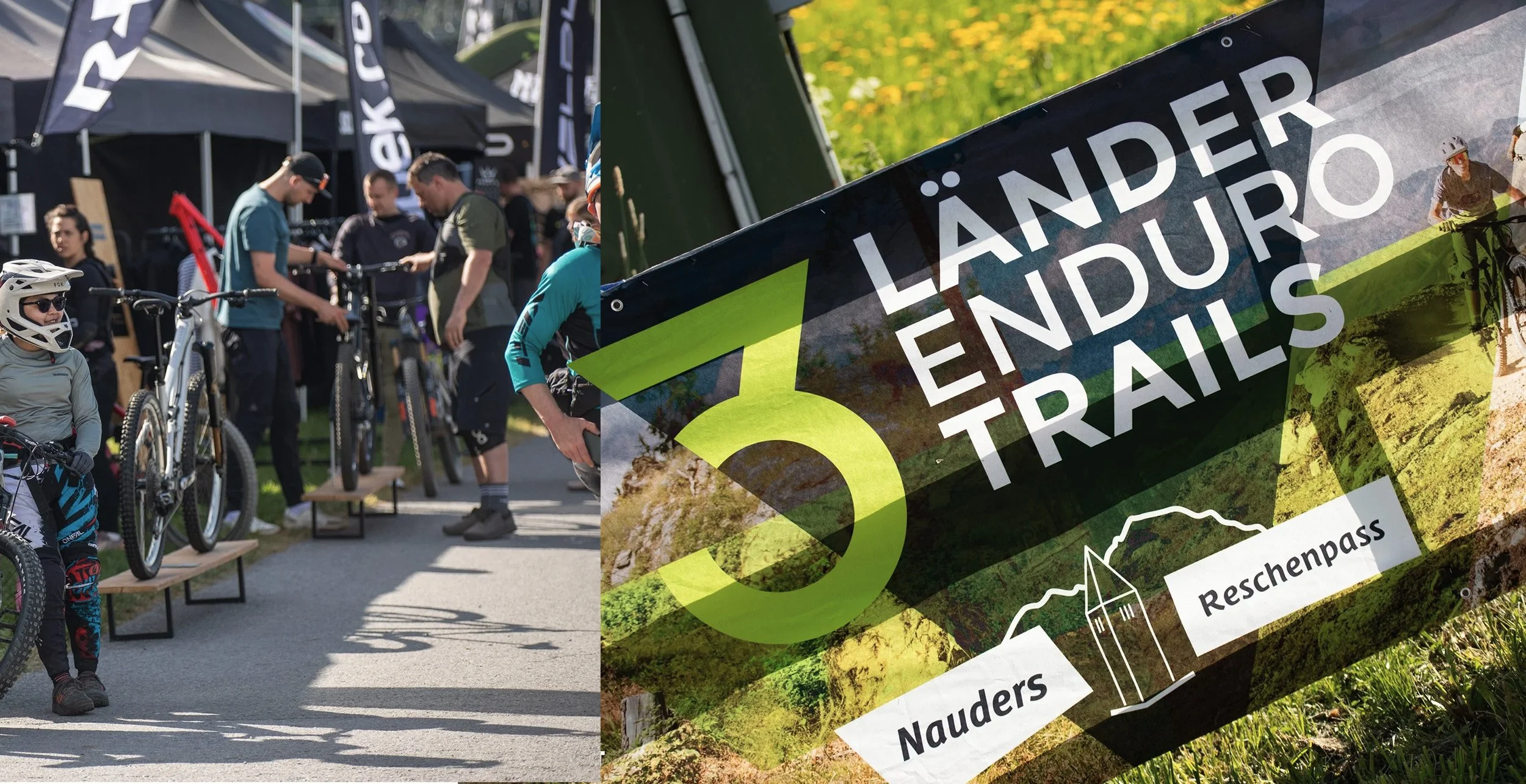
Mit den Green Days 2026 in Nauders hat die Nauders-Reschen-Region das Tor zur Bikesaison aufgestoßen – und wir waren mittendrin. Drei Tage lang verwandelte sich die Talstation der Bergkastelbahn in eine Expo-Area mit neuen Fahrrädern, Klamotten und vielem weiteren, was man so fürs Biken benötigt. Außerdem haben wir den ein oder anderen Prototypen gesichtet und konnten sie auf den Trails testen. Bestes Wetter, trockene Bedingungen, frisch geshapte Flowlines und altbekannte Enduro-Strecken ließen Bikerherzen höher schlagen. 31 Singletrails, 6 Bergbahnen, rund 64 km Trail-Spaß. Das hörte sich nicht nur spaßig an – das war es auch!
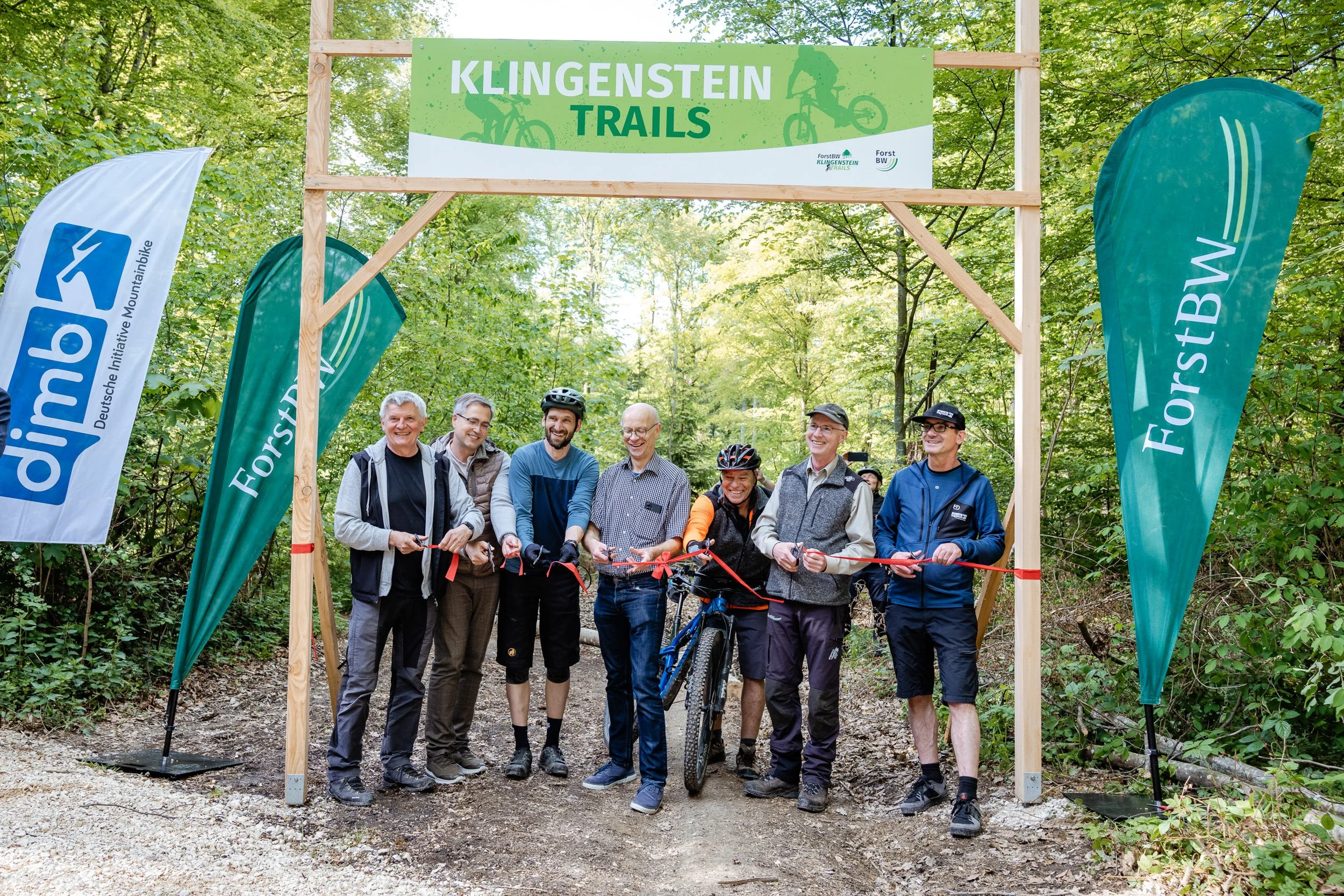
April 2026 ist es soweit. Der Beginn eines Streckennetzes steht. 6 Trails mit insgesamt einer Länge von 3 km um die Rentnerhütte im Klingensteiner Wald stehen. Von sehr leicht über leicht bis mittelschwer. Offiziell wurden die Strecken nun am 8. Mai eröffnet und sind ab sofort für jeden befahrbar.
Den Einstieg an der Rentnerhütte erklettert man sich selbst. Ein sehr entspannter erster Abschnitt zweigt sich in diverse Richtungen auf. Wer es technischer mag, hält sich links und kann auf den engen Kurven die Technik verbessern. Lieber schneller und flowiger? Gerne auch mit ein paar Steinen und Wurzeln? Die Abzweige nach rechts bieten genau das. Unten angekommen ist man über einen Uphill-Stich zügig wieder am Start.
Zwischenzeitlich sollte jeder die Nase in die Frühlingsluft gestreckt haben und die ersten Ausfahrten auf trockenen Trails genießen. Die Saison startet. Während man die eingerosteten Gelenke und den Winterspeck in Schwung bringt, sollte man auch sein Bike etwas genauer begutachten. Einiges lässt sich als Hobbyschrauber im Keller oder der Garage erledigen. Für manche Arbeiten ist Spezialwerkzeug und ein Fachmann notwendig.
Es gibt Tage, an denen plant man keine ernsthafte Ausfahrt. Man hat normale Jeans an, die warme Winterjacke, es ist ja immerhin gerade Januar, und den Baumwollhoodie, der bei der leichtesten Ertüchtigung für Hitzestau sorgt. Dann passiert etwas und man findet sich auf einem dieser besonderen Rides, von denen man seinen Kumpels erzählt, weil er so episch war. Ungeplant. Unvorbereitet. Unglaublich gut. – Eine Set-up-Fahrt.
⬇️ ENGLISH SECTION ⬇️
tests 🇺🇸
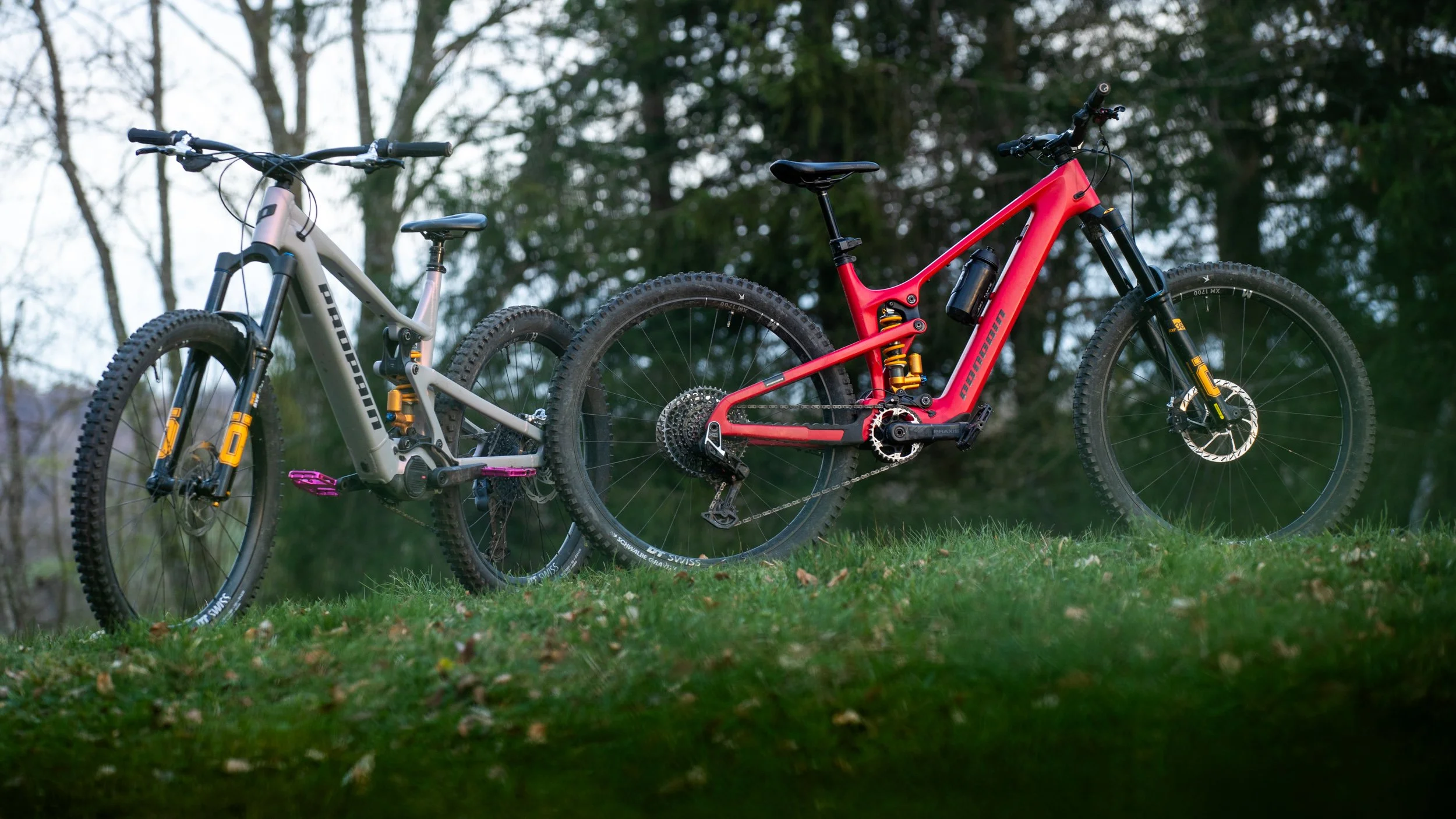
The bike world got buzzing. A new power era started with the Avinox M2S. And Propain jumped into the deep end of high-power e-mountain biking. But they did it with a twist, being a brand never one to follow the herd. Not just one all‑or‑nothing missile. Instead, they built two entirely different philosophies on the same chassis and there is a third player in the game.
On one side: the Propain EKANO 3 AL – a full-power, alloy-only bruiser that turns every fire road into a ski lift, available in an enduro and a trail build. On the other: the Propain SRESH SL—a carbon, mid‑power whisperer that makes you forget you’re on an e‑bike altogether.
This is not your average bike review. It’s a deep dive on the strengths of different systems—and which bike will fit the different preferences we as mountain bikers have.
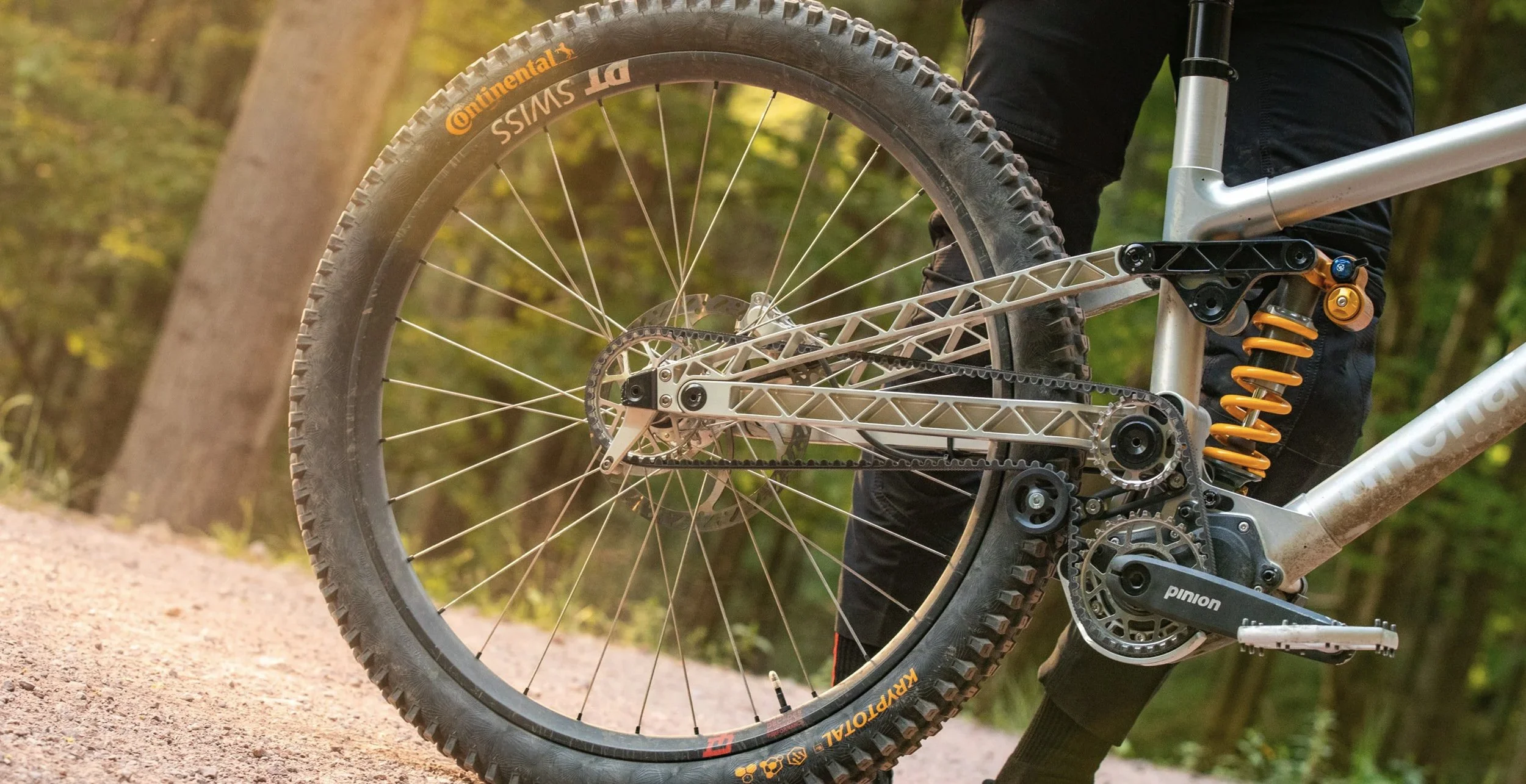
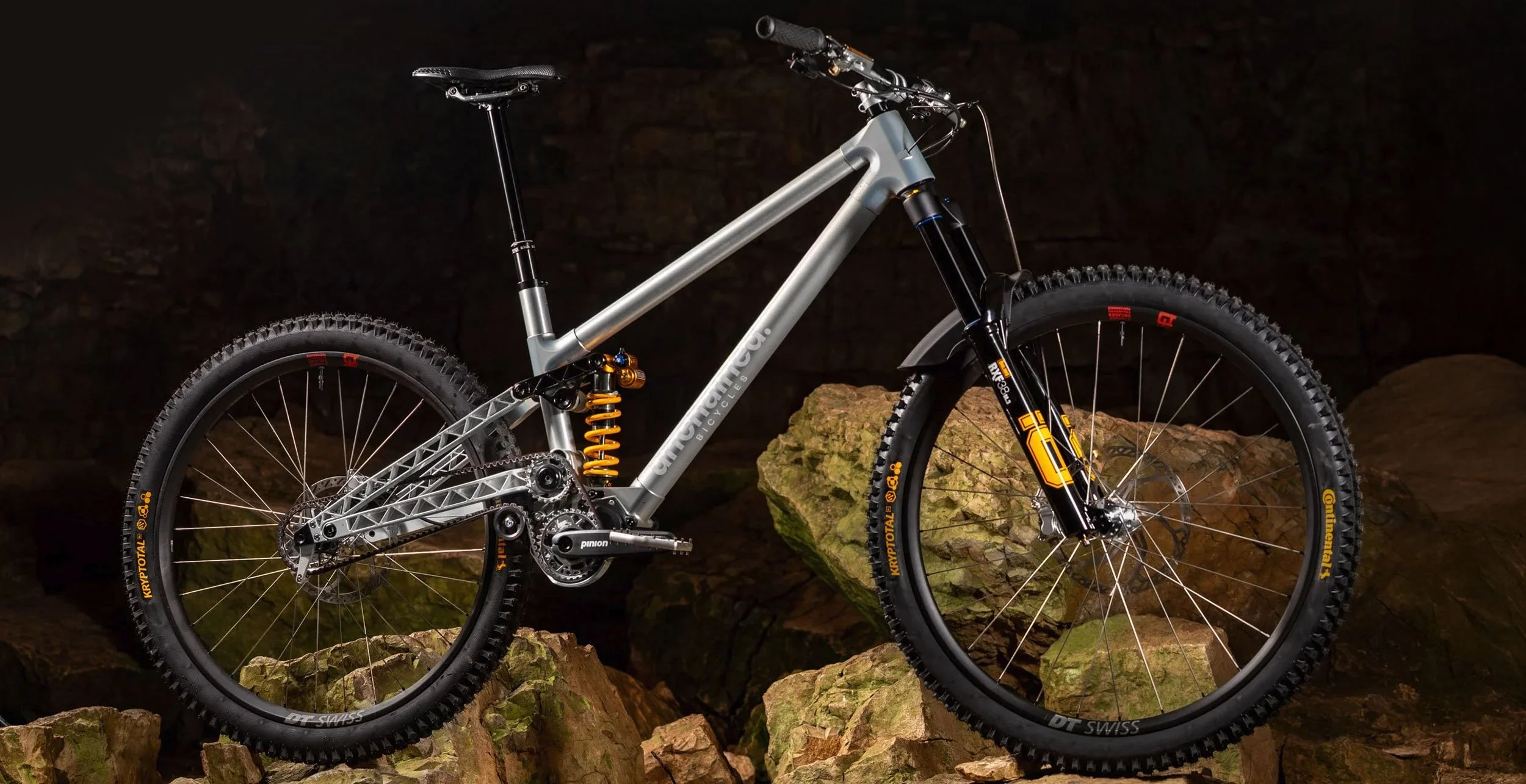
Unchained Bicycles is sending its first prototype onto the trails: a full-throttle enduro bike that dispenses with a chain, features a self-developed mid-high-pivot rear end, and places the Pinion C1.12 Smart Shift gearbox at its core. Simplicity and sensitivity are the priorities here. The aluminum tubes are not only inserted and bonded into the CNC-machined lugs, but also threaded. Bolted for double security.
We were able to secure the first exclusive short riding impression of the prototype at the Bikefestival Freiburg. Time for a technical deep dive.
The e-MTB motor war has entered a new phase. With the arrival of the DJI M1 (Avinox) system, the industry’s obsession with peak power and Newton meters has reached a fever pitch. Today they launched the M2S version. 1,300 watts peak and 130 Nm. Will this outnumber the competition like Bosch, Mahle, Brose, …? More power is not always better. Different philosophies suit different terrains, riding styles, and expectations.
With the new 2027 38, FOX completes the latest update to its lineup. The 38 mm stanchions remain. Added to that is a new chassis, a new damping cartridge, and a new air side. A meticulously coordinated lineup should be able to cater to every rider’s unique riding style and every application. How does the new 38 perform on the trail, and where exactly does it stand between the Podium and the 36? We tested it for you.
BIKES & Customs 🇺🇸
Bonding lugs and tubes is making a comeback and is now considered an established manufacturing method. Numerous manufacturers use it both for prototyping and for production frames. The technique offers several advantages over welding but is more expensive.
Unchained 1.0 is not yet a production model and continues to be refined. Axel and Laurent are committed to uncompromising development and their own hands-on riding impressions, since they are already riding the frame themselves. With 7075-T6 tubes at a wall thickness of 2 mm, the frame shrugs off even the worst abuse. This wall thickness is unusual for production bikes, which means there is still significant potential for weight savings in a future production model. They designed the lugs to their own specifications and had them custom-made. Currently, the entire frame is “Made in Switzerland.”
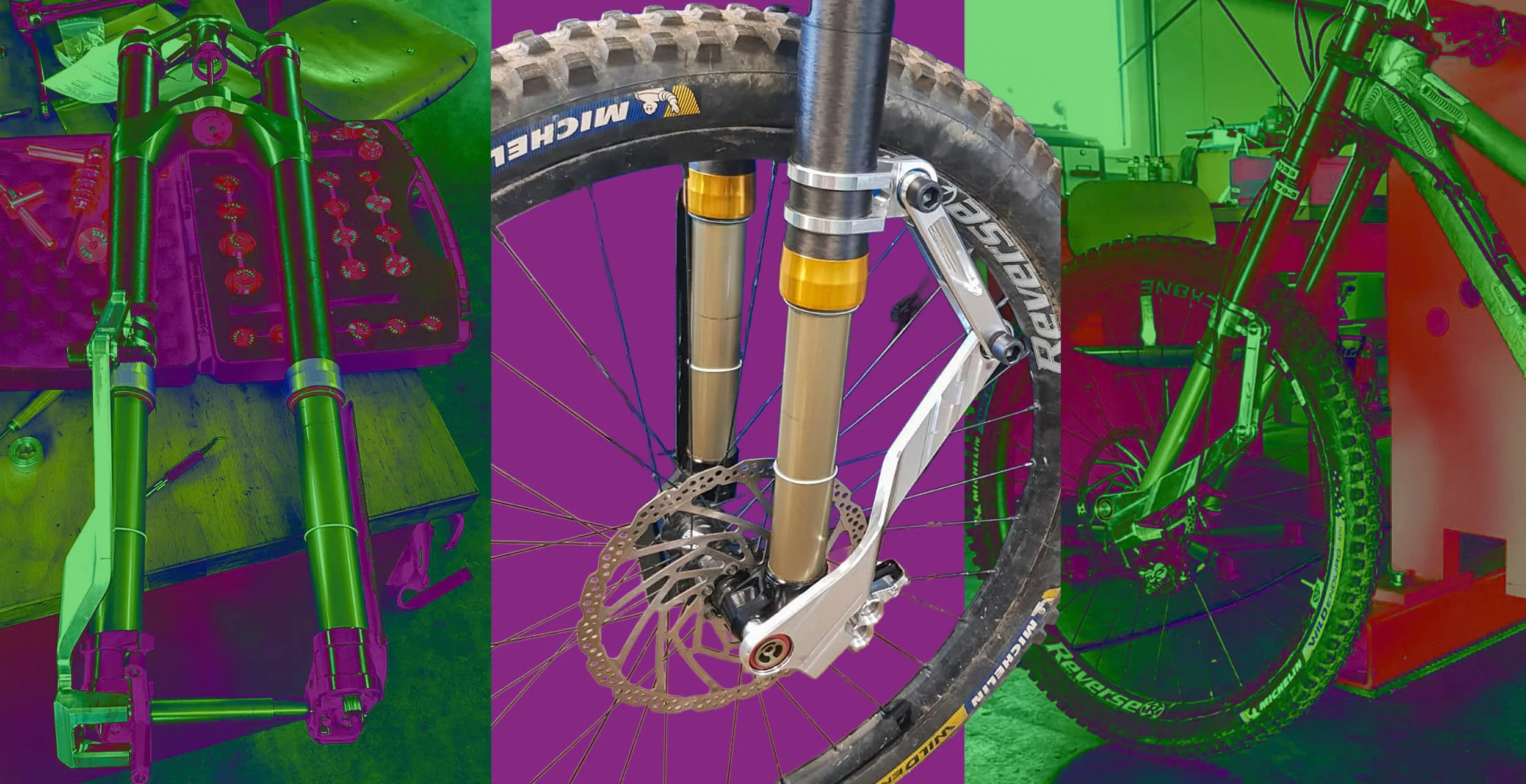
When a two-wheeled vehicle experiences significant deceleration, the axle load shifts forward, typically causing the front suspension to compress (commonly referred to as "brake dive," "diving," or "nosediving"). This results in a change to the head tube geometry—altering the trail, rake, and wheelbase.
This phenomenon is known as "brake dive." It can lead to unwanted instability, as the suspension effectively becomes stiffer, the front end becomes more heavily loaded, and the steering and braking behavior can change unpredictably.
In the 1980s, motorcycle manufacturers like Yamaha, Kawasaki, Suzuki, and Honda introduced anti-dive systems, often in the form of additional mechanical linkages or hydraulic controls. While these classic systems have largely disappeared today, their principles have found a place in modern geometric and electronically controlled solutions. The automotive sector also employs solutions that positively influence handling characteristics and better control unwanted vehicle movement.
In this article, we will provide you with insights on how the Atherton S.150 versus the A.150 feel on the trail and help you get an idea of which one would fit your riding style.
COLUMNS 🇺🇸
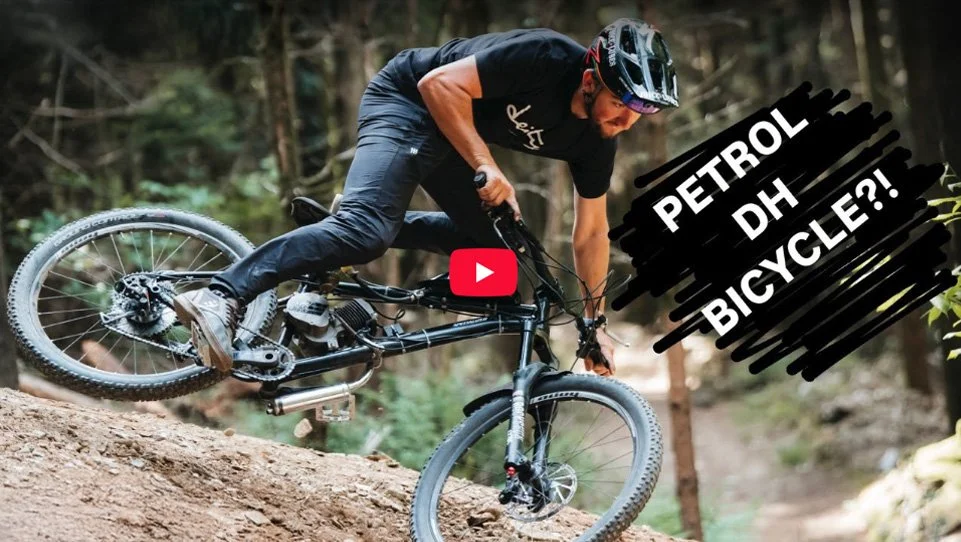
In a world of Newtonmeters, Watts, battery life, and carbon e-bikes, we might forget there is a contender. A true thread to what the bike industry is considering a good product. The cheap two-stroke build kit is coming, and Joel Anderson shows what it can do.
Discover how DJI's Avinox motor is shaking up the e-MTB world with unmatched power and agility. Compare top systems like Bosch, TQ, and Specialized—and explore what rising power means for trails, riders, and regulations.
65 % discount on new bikes and novelties in e-bikes. An outlook on what bikers can expect in 2025: What will be relevant in the bike industry? What will be new for us bikers? How can innovation look like? Things have gone wild in the bike industry in recent years. Jens takes you with him and shares his thoughts.
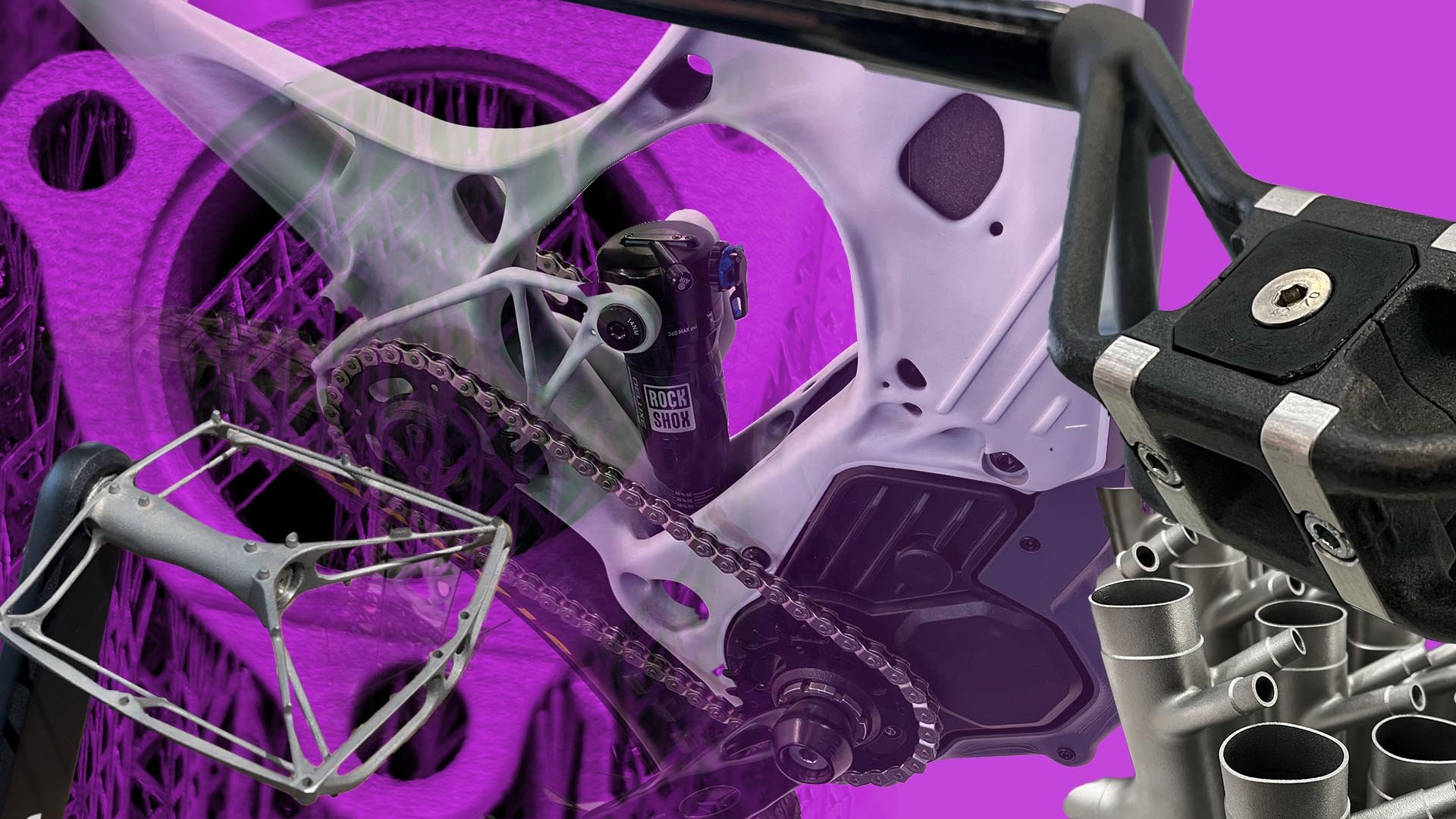
At the Formnext trade fair in Frankfurt, the focus was on the latest technologies in the field of additive manufacturing methods. What most people colloquially refer to as "3D printing" is, upon closer inspection, much more complex and multi-layered (pun intended). Take a bit of time and dive into an overview of both old and new manufacturing methods, and how the combination of both will influence our beloved bicycles.
Practical. Understandable. Honest.