

MAGAZIN

Review: Telepathy OPUS – The Parallel Universe
In a world dominated by four-bar layouts, mountain bikes can quickly start looking like an endless sea of same-same designs. Don’t get me wrong: many of these bikes look phenomenal and perform brilliantly. Have we truly reached the absolute pinnacle of "good enough," and do we need to settle on one specific design? Some people certainly don’t think so. They carry a vision that takes place far outside the conventional box—rethinking not just shock kinematics but also what suspension should actually achieve on the trail. Matt Lessmeier is one of those people, and he brought his radical idea to life in the form of the Telepathy OPUS. It’s a bike with an uncompromising approach that might not be for everyone but will undoubtedly captivate a few. I took it for a proper spin on the rugged trails of Whistler. This is our review of the Telepathy OPUS.

Podcast: Mike Kazimer on the Evolution of Bike Testing, Modern Geometry, and Keeping Tech Simple
In this episode of the Test Pilot Podcast, Jens Staudt sits down with Pinkbike Editor-in-Chief Mike Kazimer to explore how mountain bike testing has evolved over the past 15 years. From the high-speed days of print journalism to modern group Field Tests, Kazimer shares insider perspectives on bike geometry plateaus, the rise of affordable alloy workhorses, and the fine line between helpful innovation and electronic over-complication. Tune in for a candid conversation on what really matters when choosing your next ride.
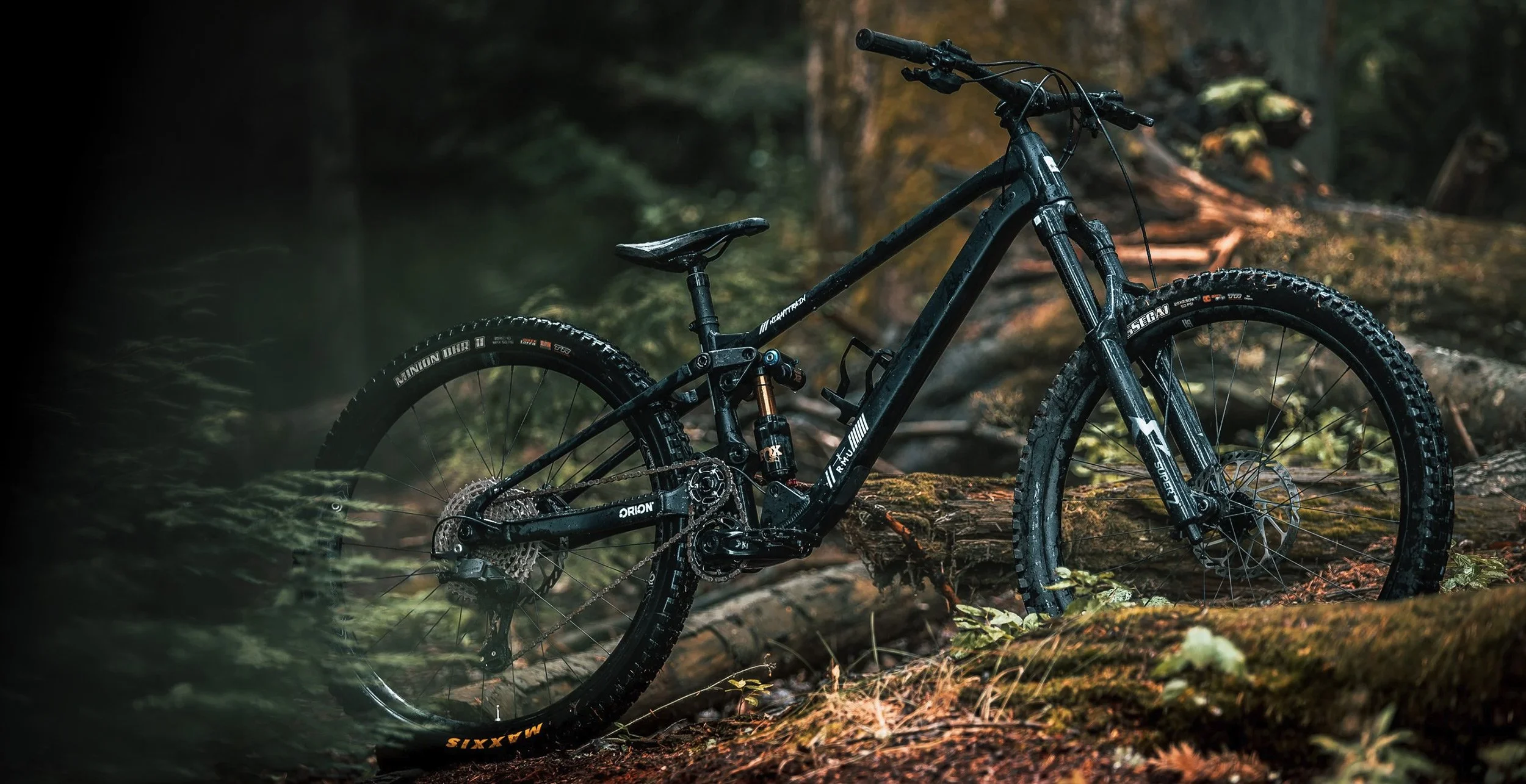
Review: RMU Nighttrain, The Freeride Punk Sled
What happens when Colorado ski freeride punks team up with suspension wizard Dave Weagle to build a 170mm aluminum party machine? The RMU Nighttrain delivers pure analog gravity performance, blending the playful agility of a compact 434mm static rear end with an ORION mid-pivot kinematic that stretches to an ultra-stable 455mm at sag. Read our full in-depth test from Whistler and Squamish to see if this bomber alloy freeride bike lives up to the hype.
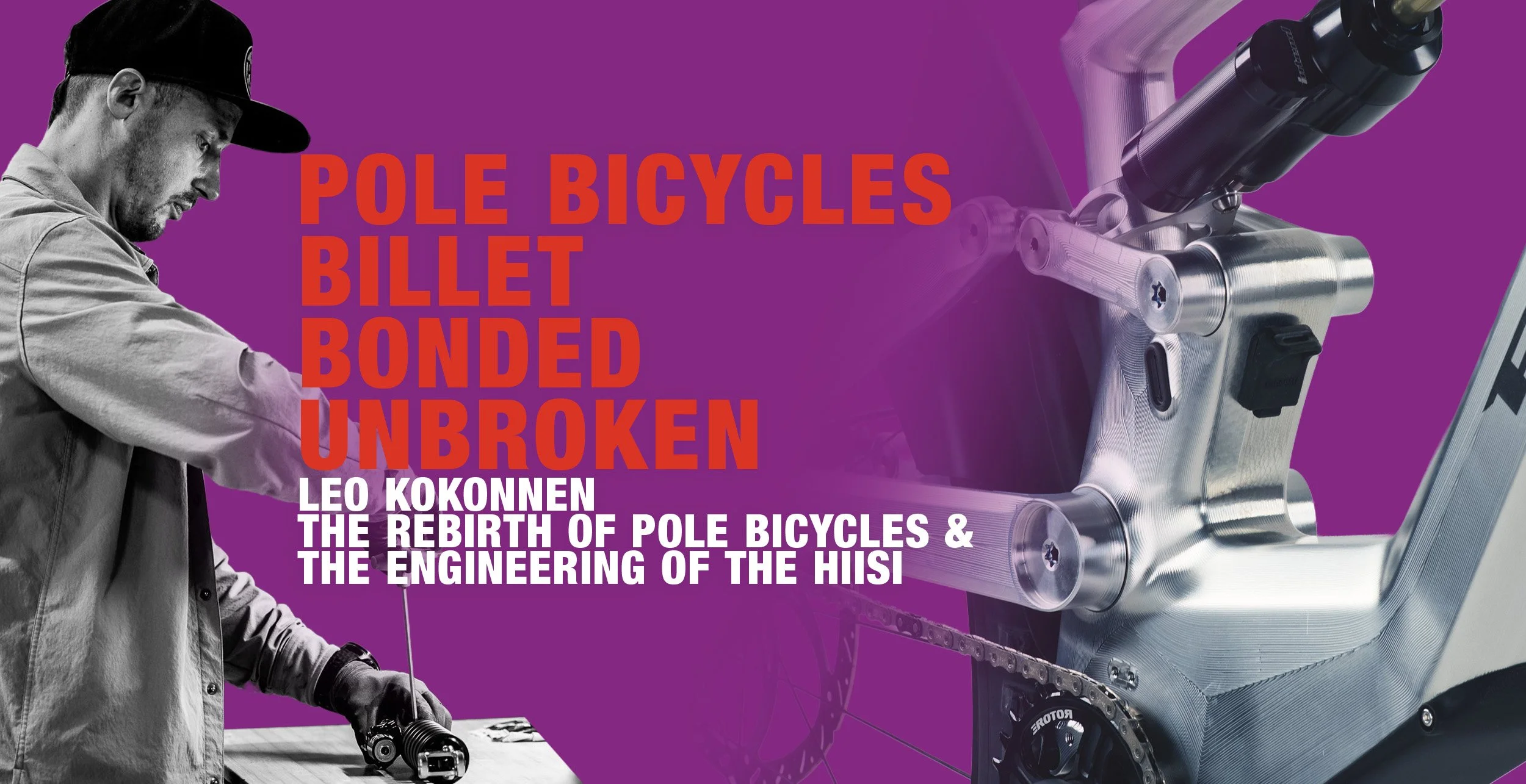
Podcast: The Phoenix from Jyväskylä, Leo Kokkonen and the Radical Rebirth of Pole Bicycles
In this episode of the TESTPILOT.bike Podcast, host Jens Staudt sits down with Leo Kokkonen, founder and chief designer of Pole Bicycles. Following a tumultuous period in the bike industry, Kokkonen returns to detail the brand's pivot from high-volume manufacturing to ultra-exclusive, bespoke bike building.
The conversation focuses on the debut of the Pole Hiisi, a revolutionary e-MTB platform machined from solid billet 7075-T6 aluminum, featuring modular travel options (152mm–200mm), bridge-less swingarm compliance tuning, and the high-torque, silent Maxon BikeDrive Air S motor.

Podcast: The Category Trap with Guy Kesteven – Why Your Bike is Lying to You
The mountain bike industry is obsessed with acronyms, and after decades of marketing buzzwords like "EVO," "Aggressive," "Downcountry," and the (now fading) Enduro-Race, it feels like we’ve finally reached peak confusion. We spent years defining our sport, only to throw the rulebook out the window the moment e-bikes hit the scene. But are these ever-shifting categories actually helping you find the right tool for the trail, or are they just a clever way to sell you the "N+1" bike you don't really need?
In this episode of the Testpilot podcast, Jens Staudt sat down with industry veteran Guy Kesteven to strip away the "Excel spreadsheet" side of mountain biking. From the 32-inch wheel debate and the evolution of VPP versus Horstlink suspension to the honest reality of whether geometry innovation has hit a plateau, we’re cutting through the marketing noise. Whether you're a bike nerd with a garage full of vintage frames or a rider wondering if your bike is "capable enough," this is the reality check you’ve been waiting for.
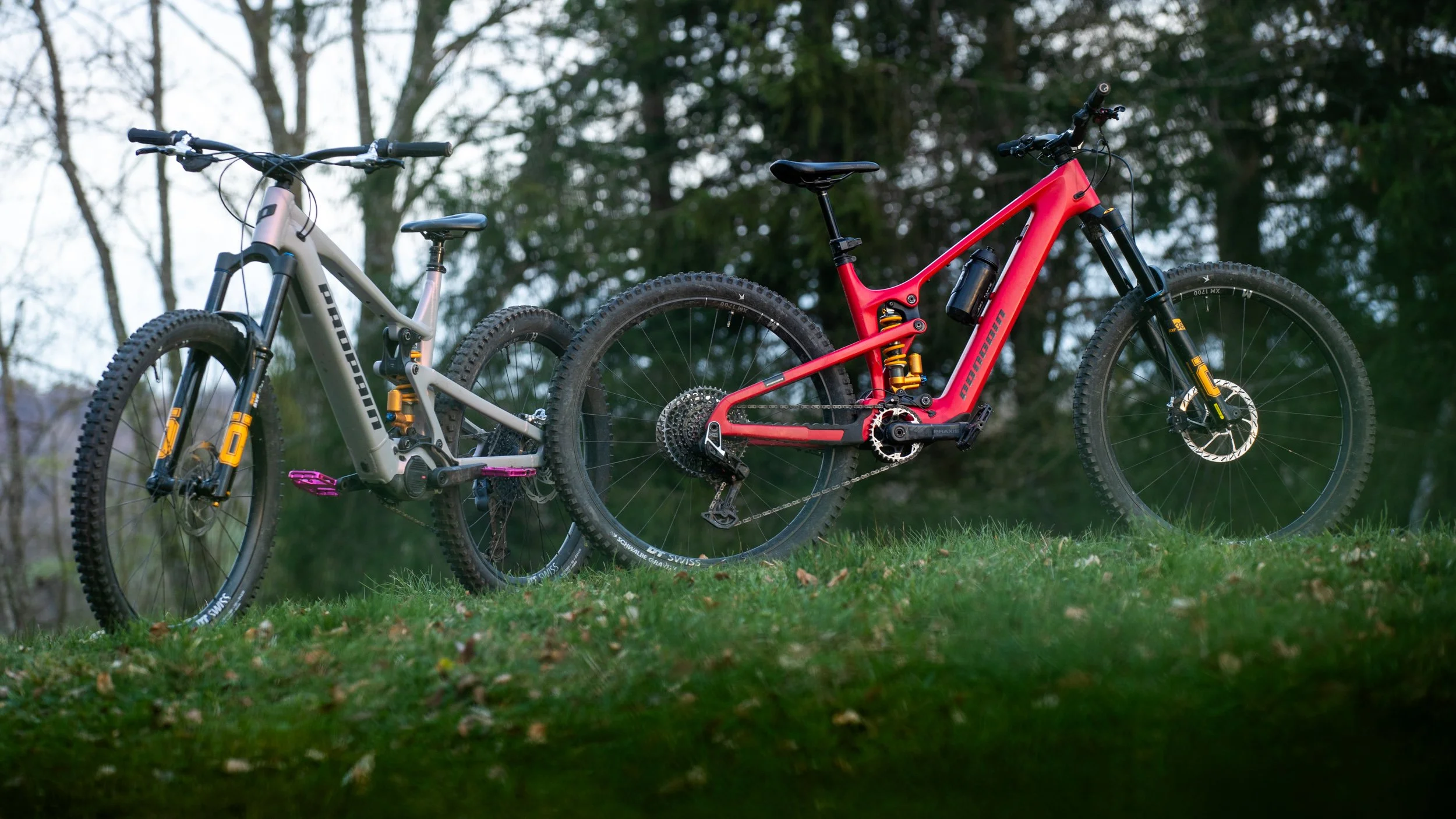
Propain EKANO 3 AL Enduro vs. Sresh SL
The bike world got buzzing. A new power era started with the Avinox M2S. And Propain jumped into the deep end of high-power e-mountain biking. But they did it with a twist, being a brand never one to follow the herd. Not just one all‑or‑nothing missile. Instead, they built two entirely different philosophies on the same chassis and there is a third player in the game.
On one side: the Propain EKANO 3 AL – a full-power, alloy-only bruiser that turns every fire road into a ski lift, available in an enduro and a trail build. On the other: the Propain SRESH SL—a carbon, mid‑power whisperer that makes you forget you’re on an e‑bike altogether.
This is not your average bike review. It’s a deep dive on the strengths of different systems—and which bike will fit the different preferences we as mountain bikers have.
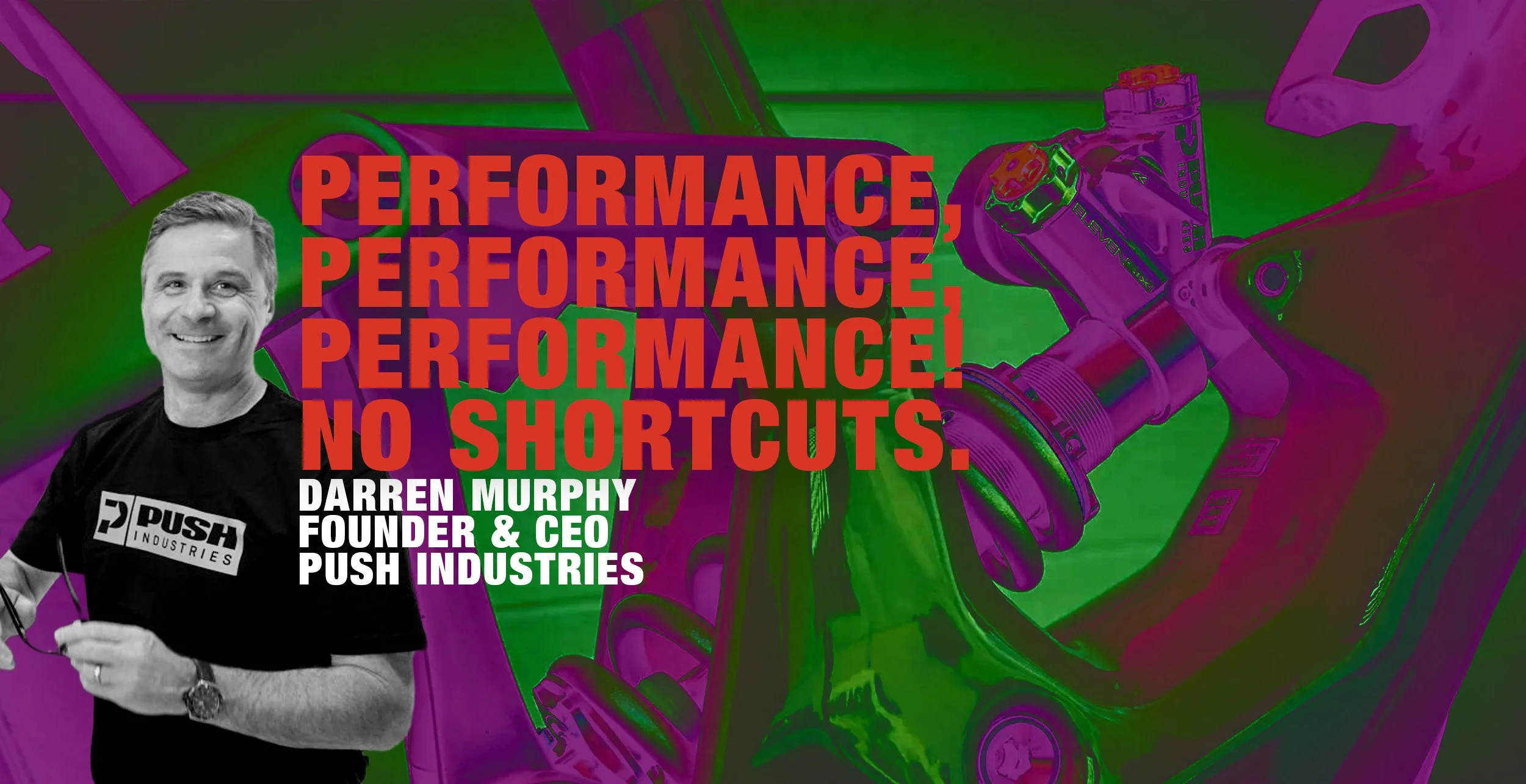
Podcast: Nerding Out with Darren Murphy of Push Industries
If you’ve ever found yourself deep in the weeds of suspension kinematics or obsessing over damping curves, you’re in good company. In the high-tech sanctuary of Push Industries in Colorado, founder and CEO Darren Murphy has spent two decades following his very own revolution in mountain bike suspension. This isn't just about making better parts; it's a technical philosophy—and perhaps a bit of stubbornness—required to build a manufacturing powerhouse that prioritizes elite performance above all else.
This episode sheds light on the history of the company and later takes a deep dive in how Push suspension works. It explains a lot about how suspension works and you will learn a lot directly from the mind behind the product.
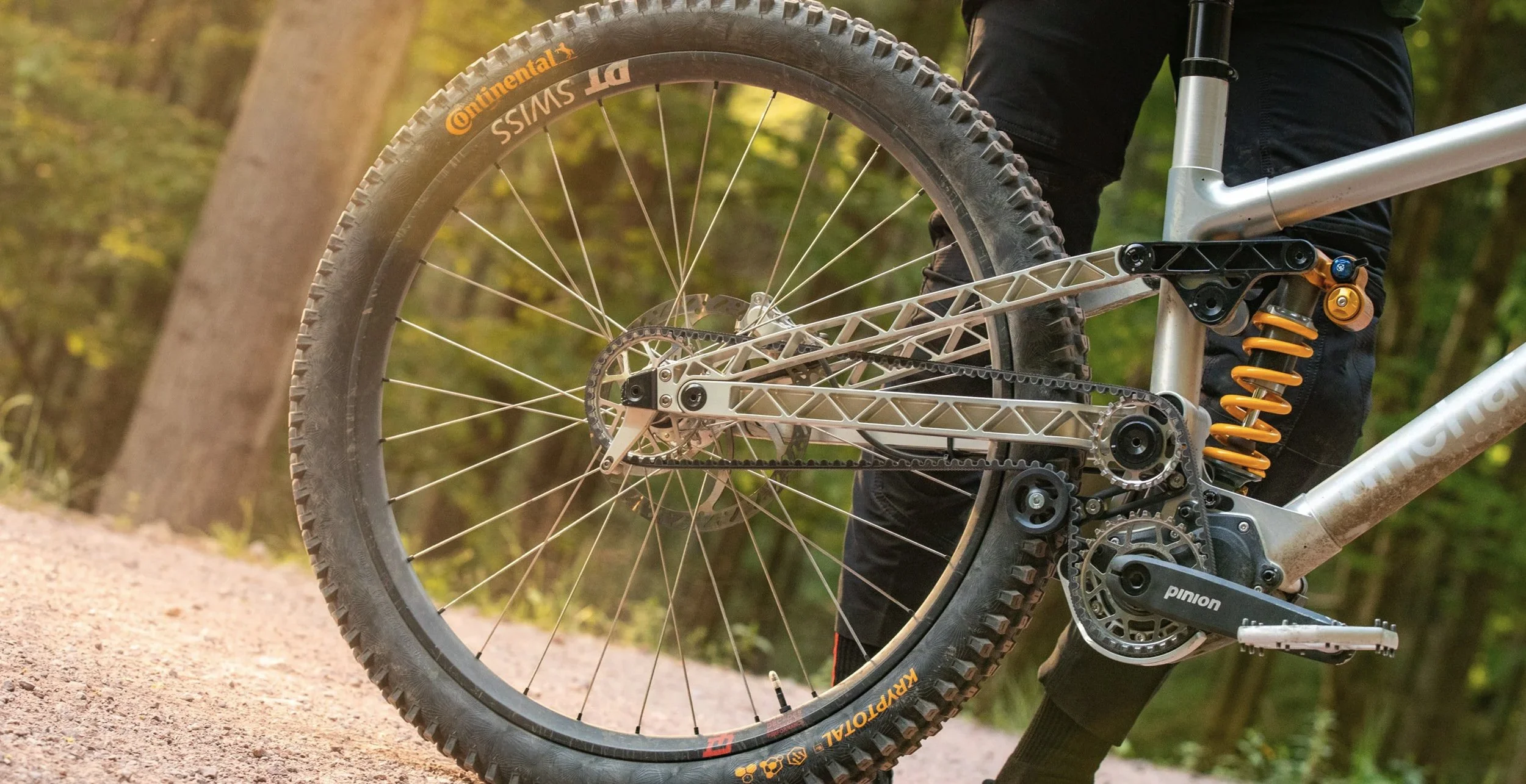
First ride: Unchained Bicycles – Mid-High Pivot Enduro, Pinion Gearbox and Gates drive
Unchained Bicycles is sending its first prototype onto the trails: a full-throttle enduro bike that dispenses with a chain, features a self-developed mid-high-pivot rear end, and places the Pinion C1.12 Smart Shift gearbox at its core. Simplicity and sensitivity are the priorities here. The aluminum tubes are not only inserted and bonded into the CNC-machined lugs, but also threaded. Bolted for double security.
We were able to secure the first exclusive short riding impression of the prototype at the Bikefestival Freiburg. Time for a technical deep dive.
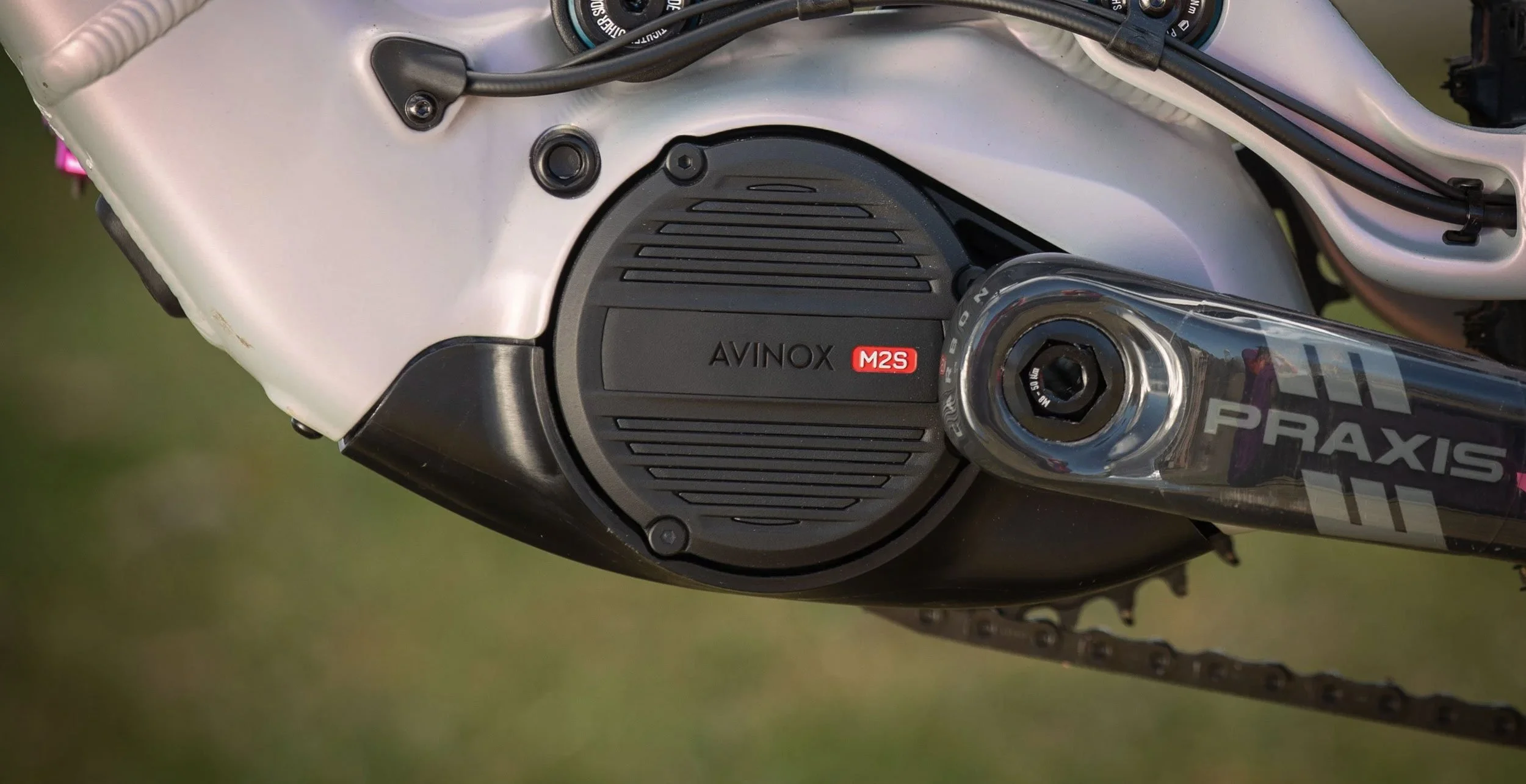
Avinox M2S motor: Beyond the Zoom-Zoom – Why More E-MTB Power Isn’t the Whole Story
The e-MTB motor war has entered a new phase. With the arrival of the DJI M1 (Avinox) system, the industry’s obsession with peak power and Newton meters has reached a fever pitch. Today they launched the M2S version. 1,300 watts peak and 130 Nm. Will this outnumber the competition like Bosch, Mahle, Brose, …? More power is not always better. Different philosophies suit different terrains, riding styles, and expectations.
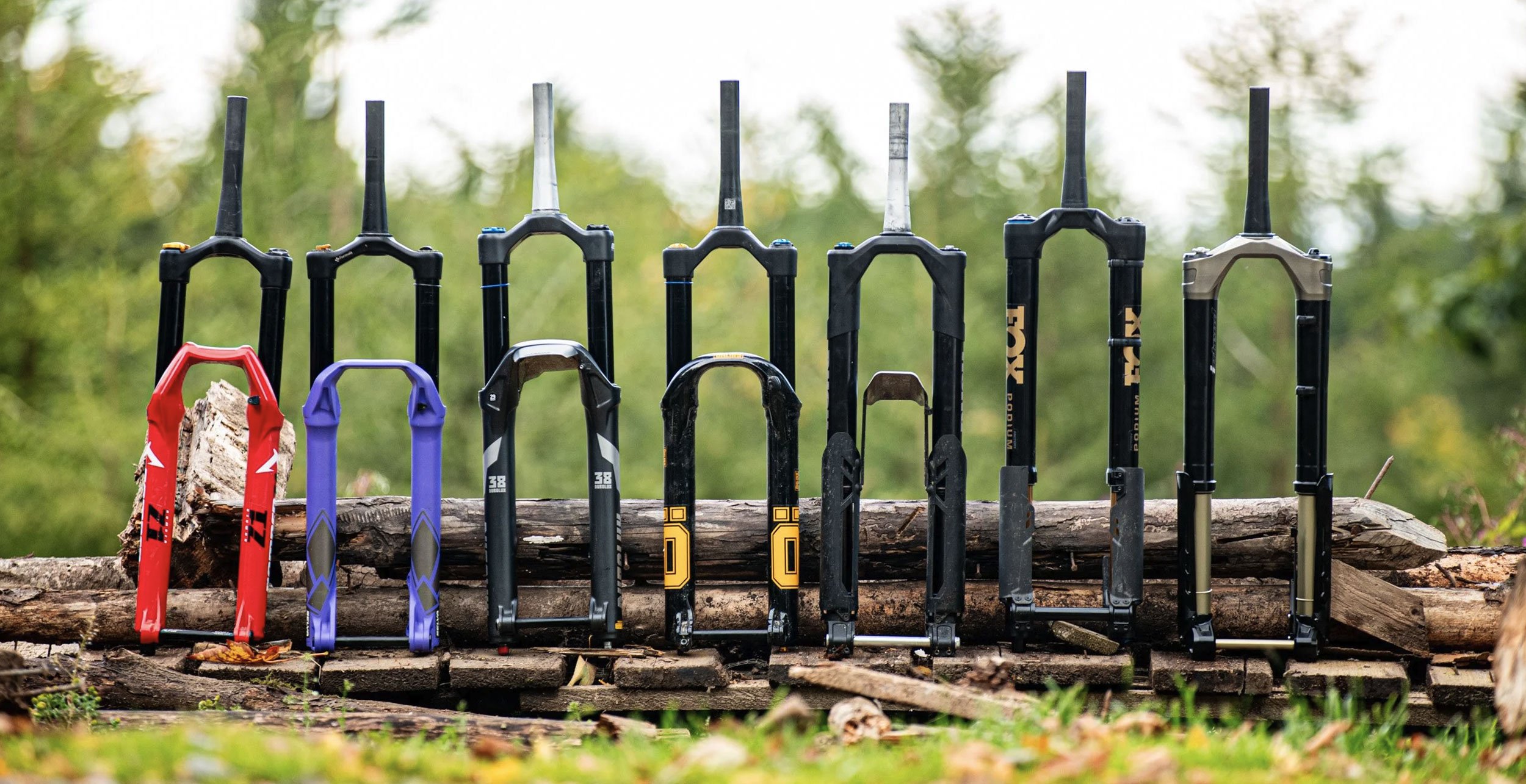
High-Tech vs. being real: The 170-mm-Suspension-Field-Test
In this final summary, we provide you with a conclusion and a review of all the test impressions from our 170 mm suspension field test. However, we don't just want to provide raw numbers and travel curves. We dive deeper into ride feel and shed some light on what really matters. A fork that matches your riding style.
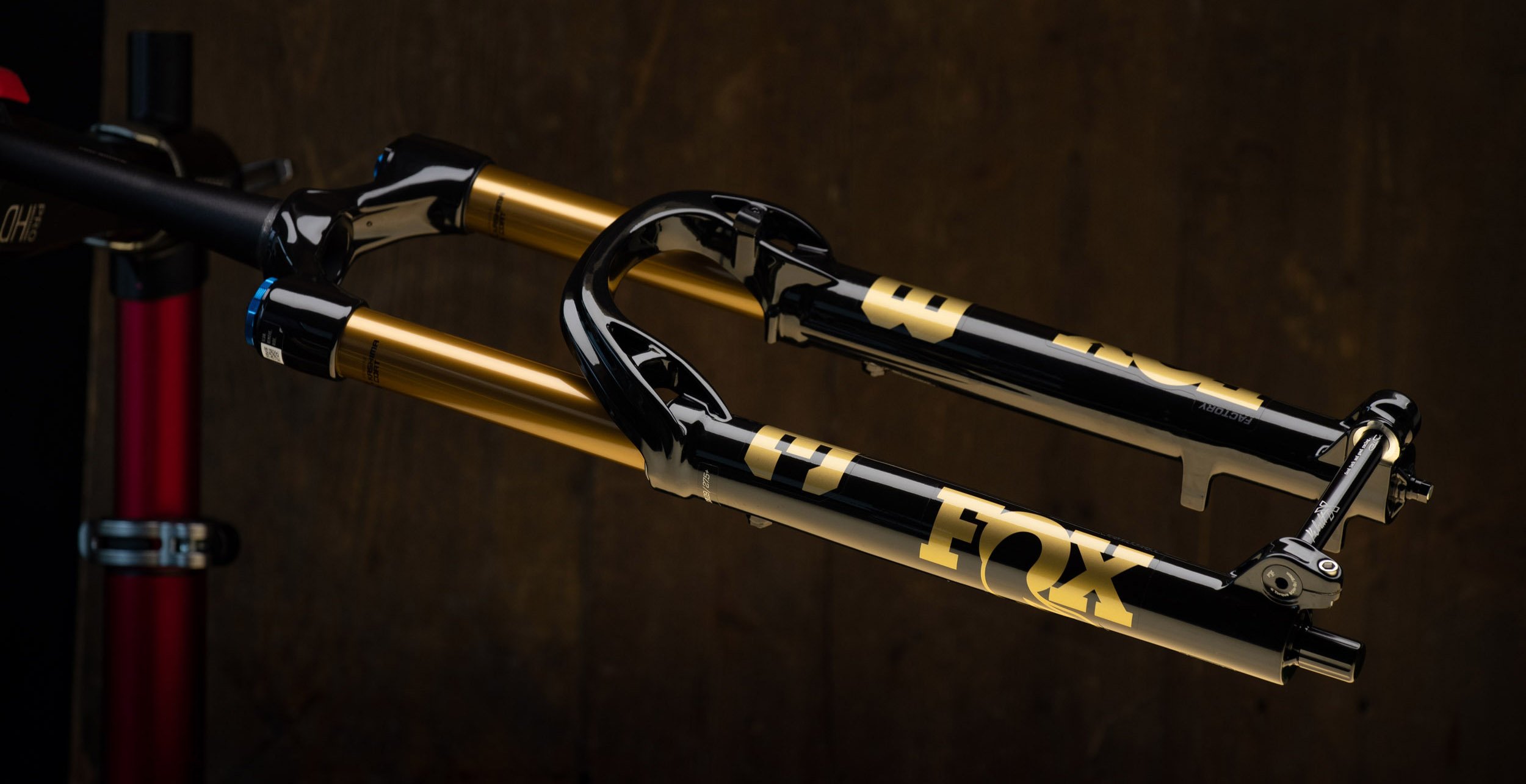
Review: FOX 38 2027 with optimized GRIP X2 damping and more
With the new 2027 38, FOX completes the latest update to its lineup. The 38 mm stanchions remain. Added to that is a new chassis, a new damping cartridge, and a new air side. A meticulously coordinated lineup should be able to cater to every rider’s unique riding style and every application. How does the new 38 perform on the trail, and where exactly does it stand between the Podium and the 36? We tested it for you.
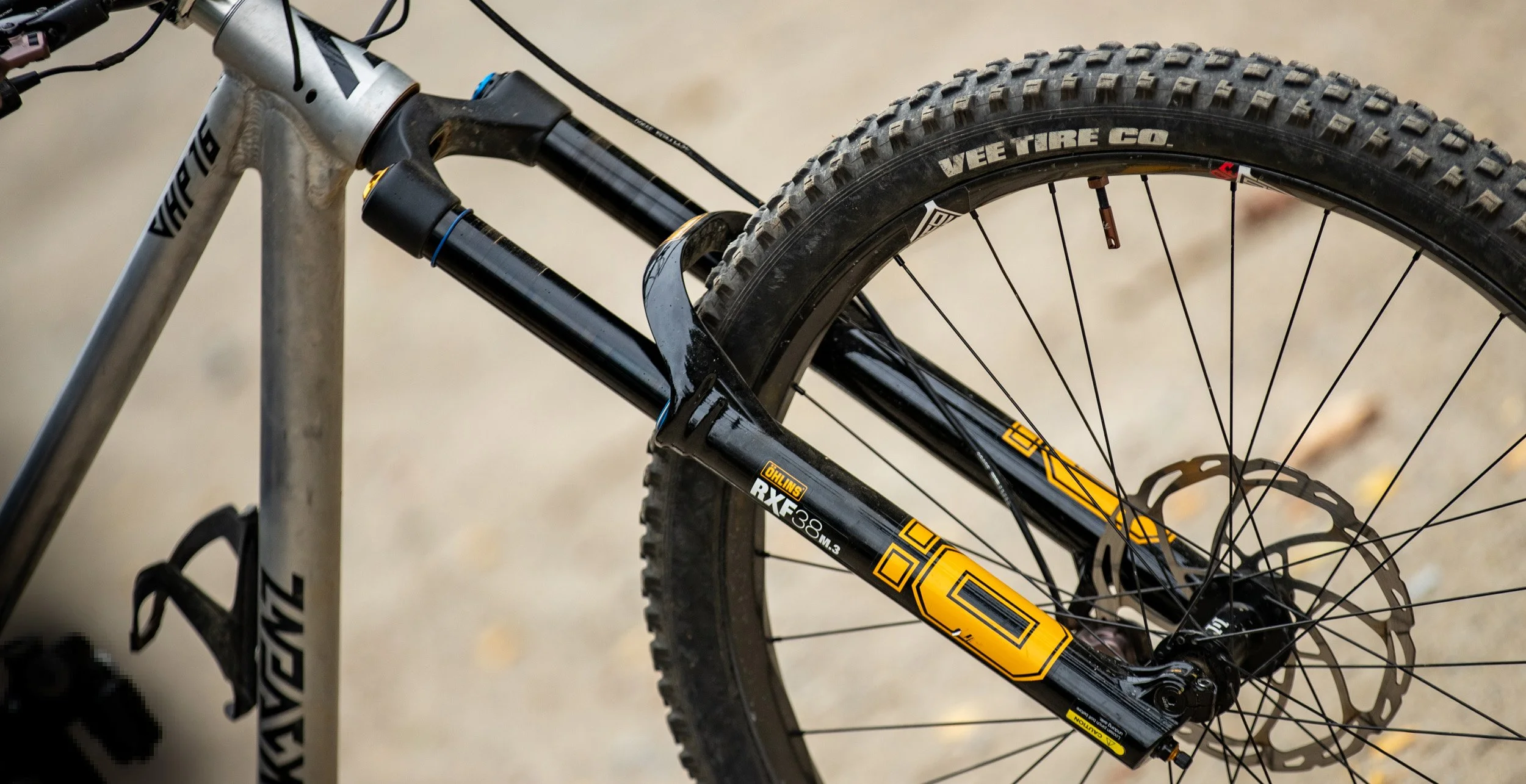
Review: Öhlins RXF38 m.3 Air
Öhlins RXF38m.3 – We put it through its paces. What kind of adjustability does it offer? How do you set it up? And what updates are there from the m.2 version to the new m.3? We tested the fork for you and explained the technology behind and in it.

Review: Formula Selva V
We already tested the Formula Selva V individually last year. Now it had to prove itself in the big suspension fork field test. Can it hold its own against the stiff competition with its 35 mm stanchions? Is it enough these days to simply rework the casting? You can find all the technical details and our riding impressions here in the review.
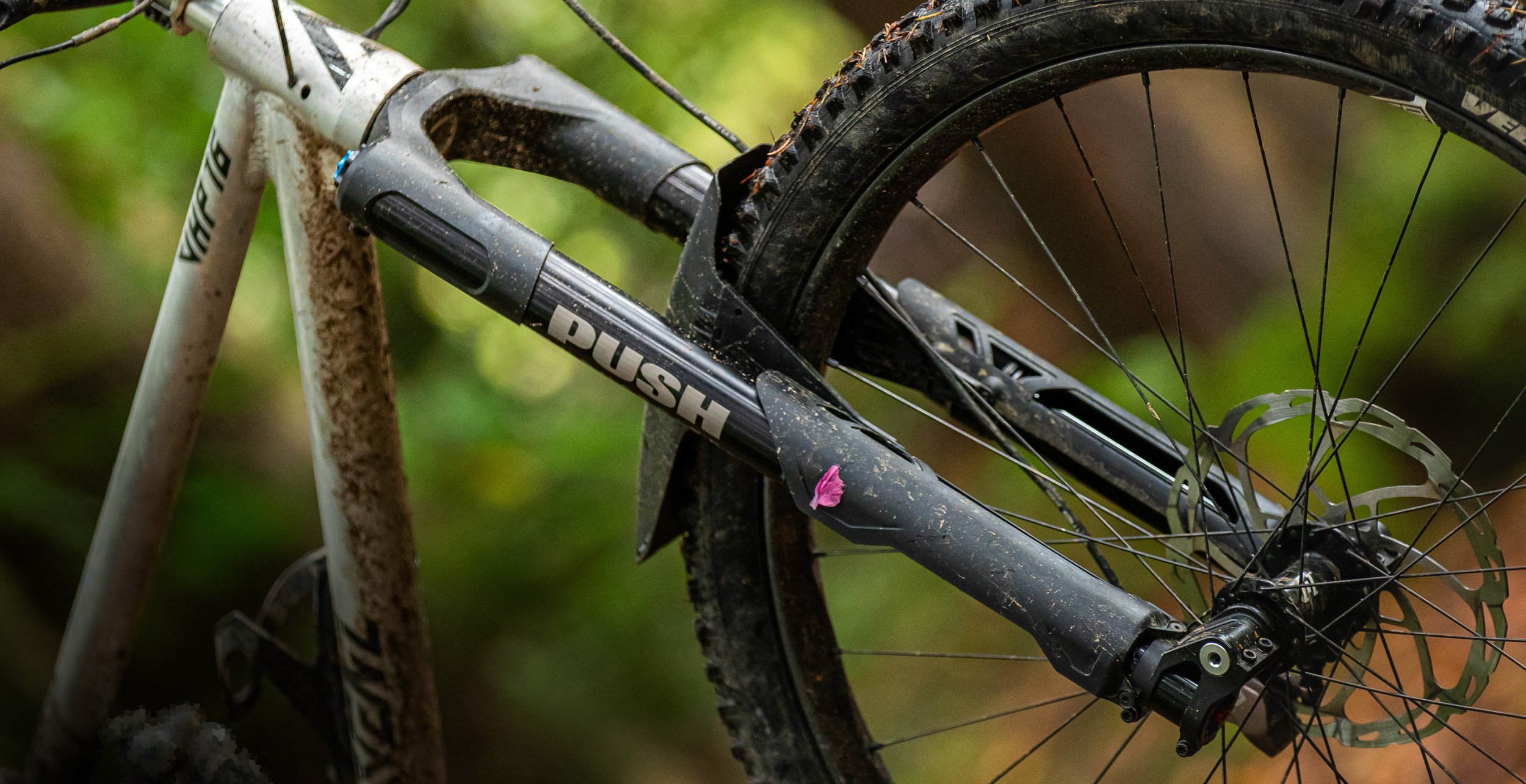
Review: Push Industries Nine.One V2
The Nine.One V2 upside-down suspension fork combines not only a special approach from a small company in Colorado, but also a completely different philosophy to what you would normally expect from off-the-shelf competitors. Steel spring, custom setup for each customer, and two ways to influence the spring characteristic curve... We tested the Push Nine.One V2 and were taken by surprise. Different = better?
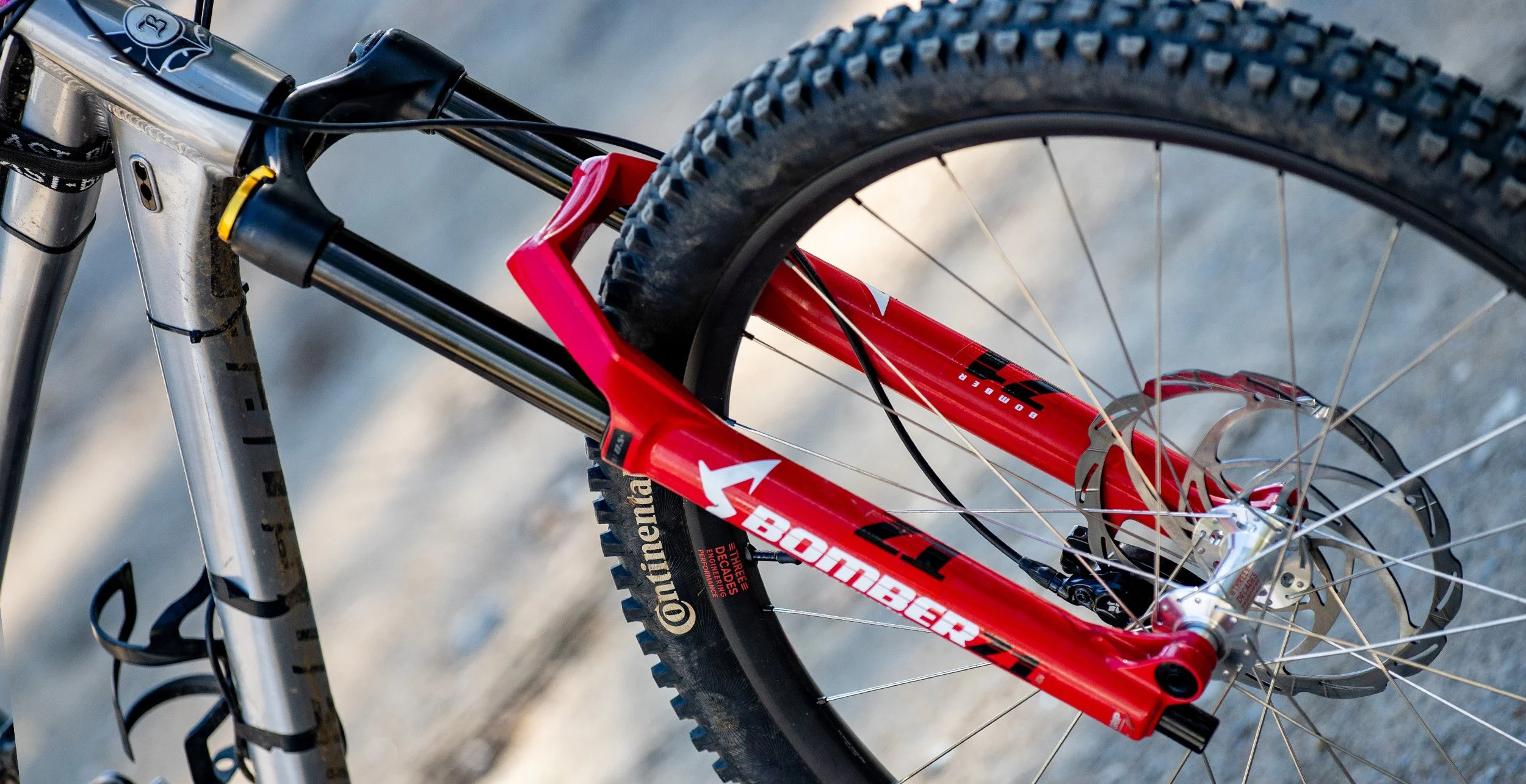
Review: Marzocchi Z1 Coil GRIP
In the third article of our suspension fork test, we take a look at the Marzocchi Z1 Coil GRIP 2022. This fork offers a genuine steel spring feel and just a few adjustment options. Can it score points on the trail and give its high-end competitors a run for their money with its simplicity? We wanted to find out.
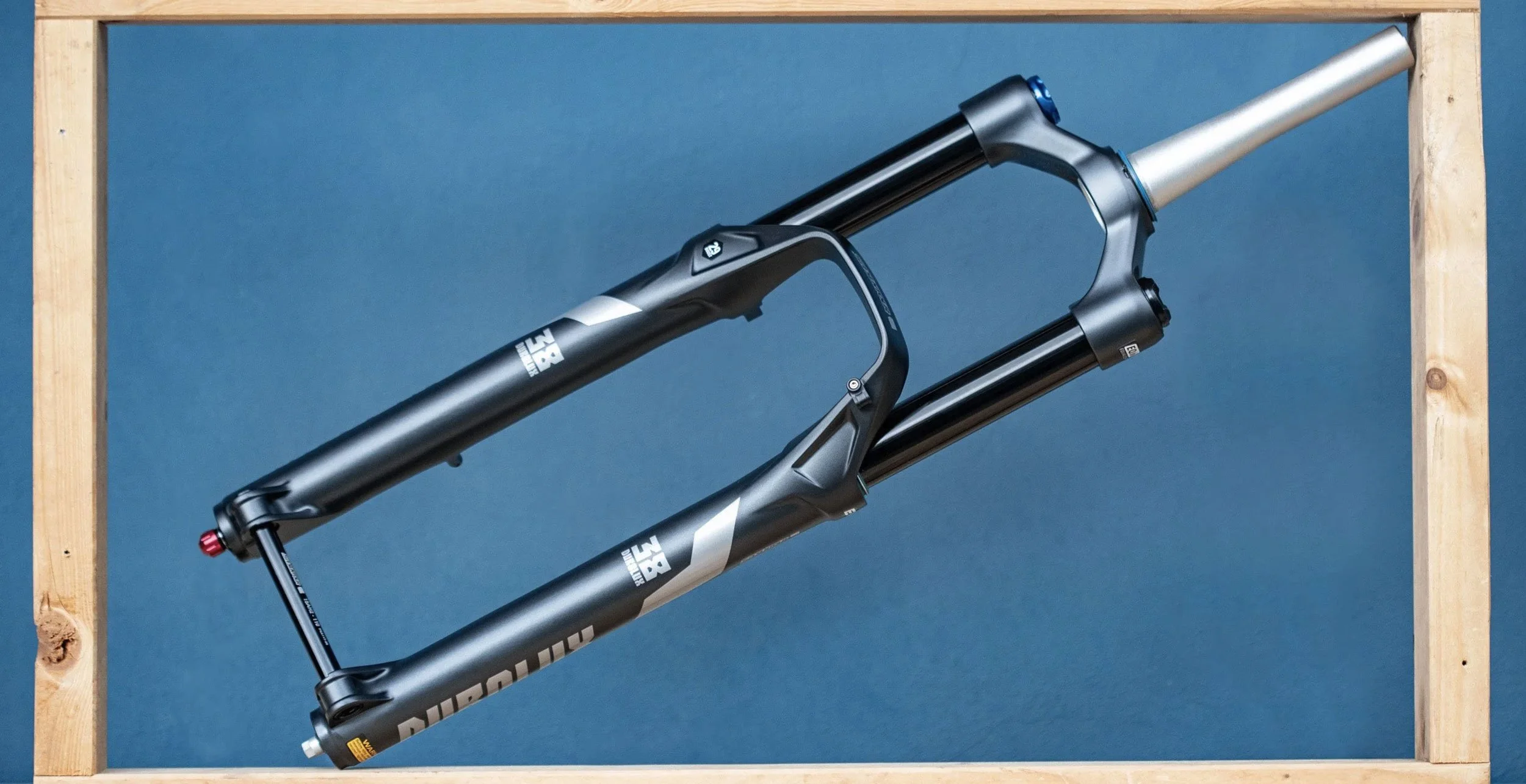
Review: SR Suntour DUROLUX38 X EVO
In the second article of our big suspension fork test, we take a look at the SR Suntour DUROLUX38 X EVO. This suspension fork has fewer adjustment knobs but still features sophisticated technology. Can it compete with its more expensive rivals? How does it perform on the trail and which riders is this fork best suitable for? We’ve tested it for you.
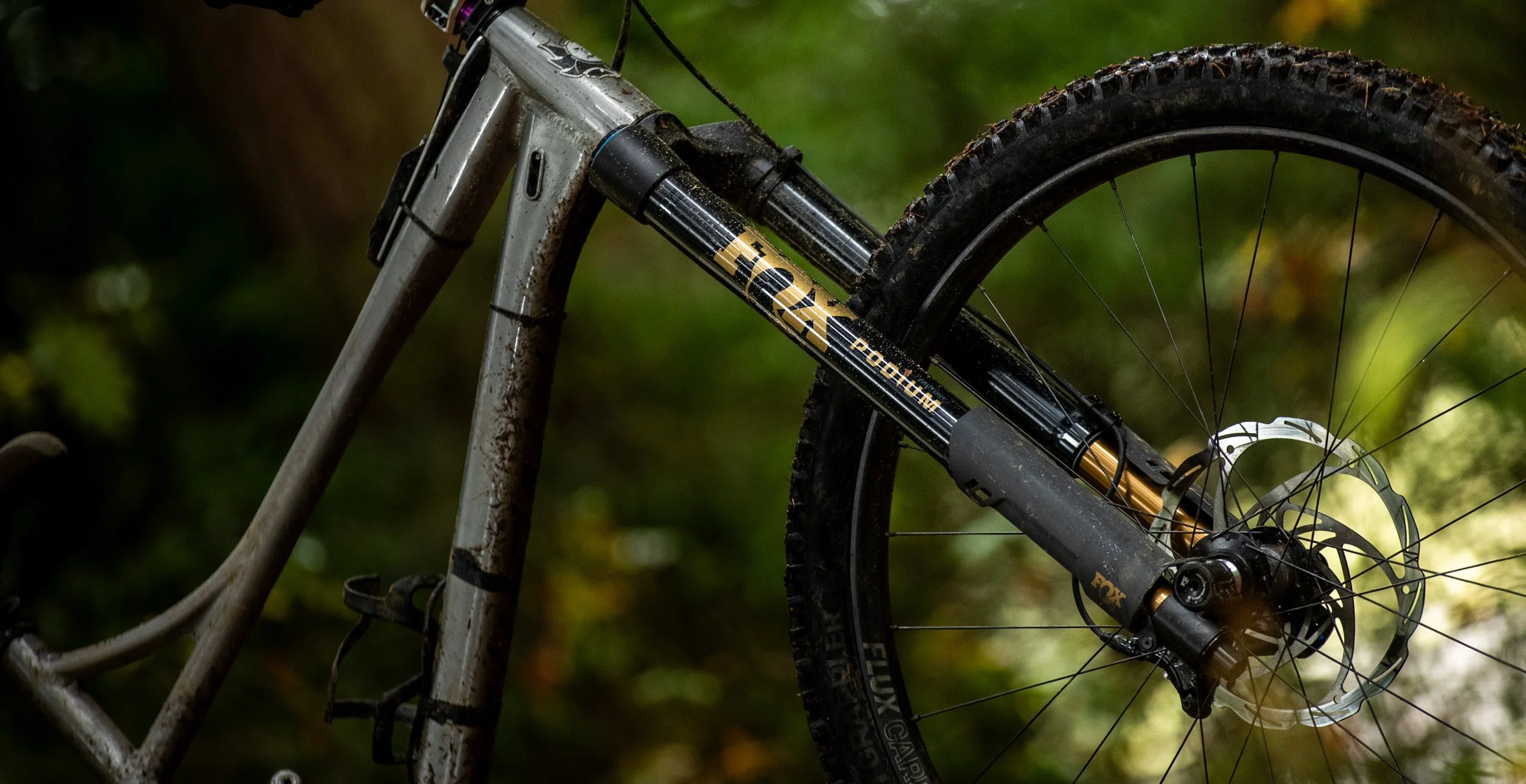
Review: FOX PODIUM FACTORY
The first article in our big suspension fork fieldtest. Is the FOX Podium Factory suspension fork worth the hype? How does it perform on the trail? Who is it really suitable for – everyone? What do you need to consider when setting it up? We've ridden it extensively and will answer all your questions in our detailed FOX Podium test report.
Field Test 170 mm Enduro Forks
Welcome to the test that gives you answers, and welcome to the intro to our 170mm fork test. What makes a good 170mm fork? How did we test? Which forks did we test? What can you expect from the TESTPILOT fork test? Here at TESTPILOT, we've made it our mission to test products for and with you, and to describe them in a way that helps you know if they're right for you—not just whether they meet our personal preferences.
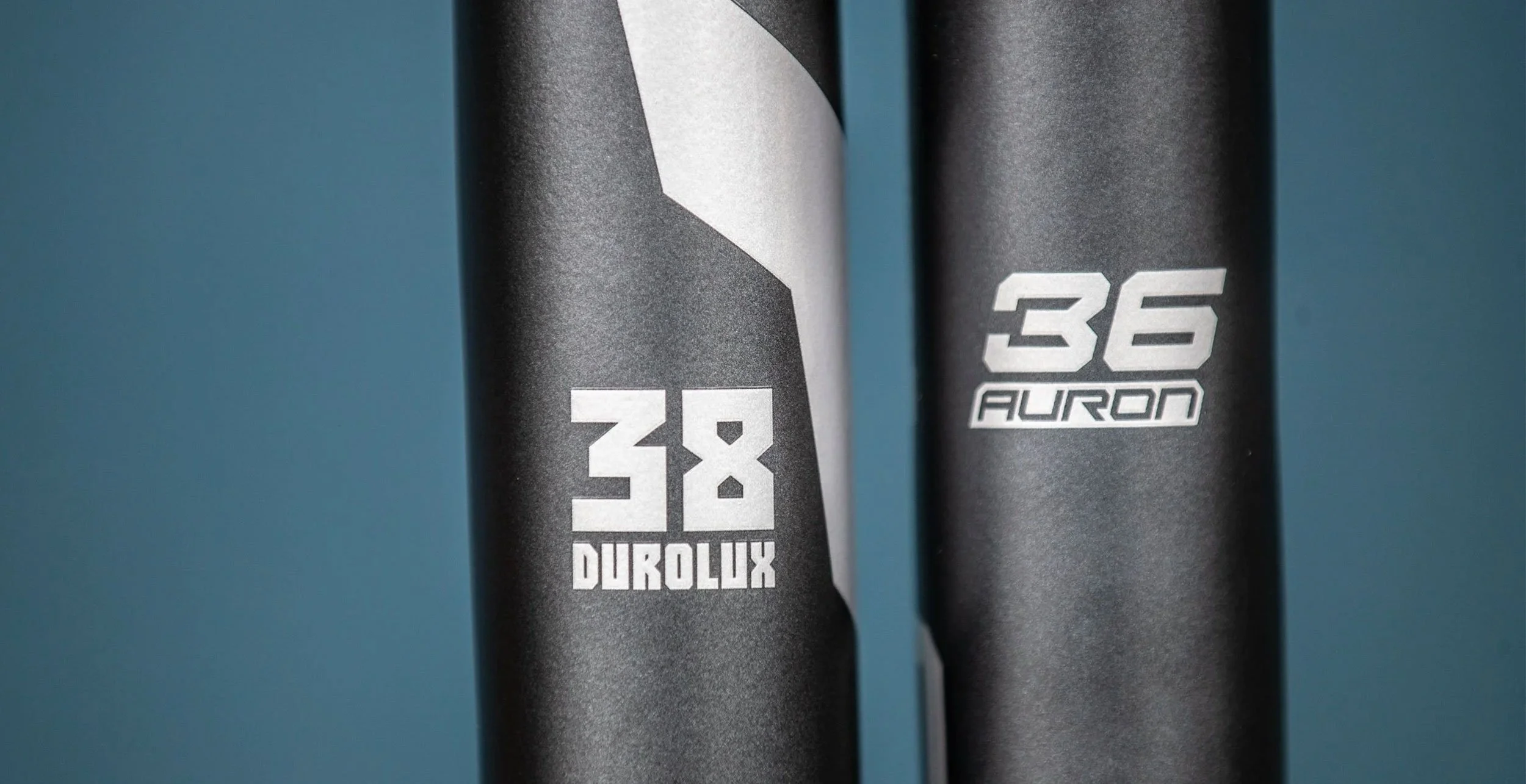
What’s different between 36 and 38 mm stanchions?
When do I need 36 mm and when do I need 38 mm suspension fork stanchions? Is a stiffer suspension fork better? Or is flex actually a good thing? Flex is not a simple topic. In our field test, we explain the advantages and disadvantages of 36 mm and 38 mm stanchions, stiffness, and flex in mountain bike suspension forks. SR Suntour provided us with two almost identical suspension forks, the AURON36 and DUROLUX38 X – the only difference between them is the stanchion diameter.
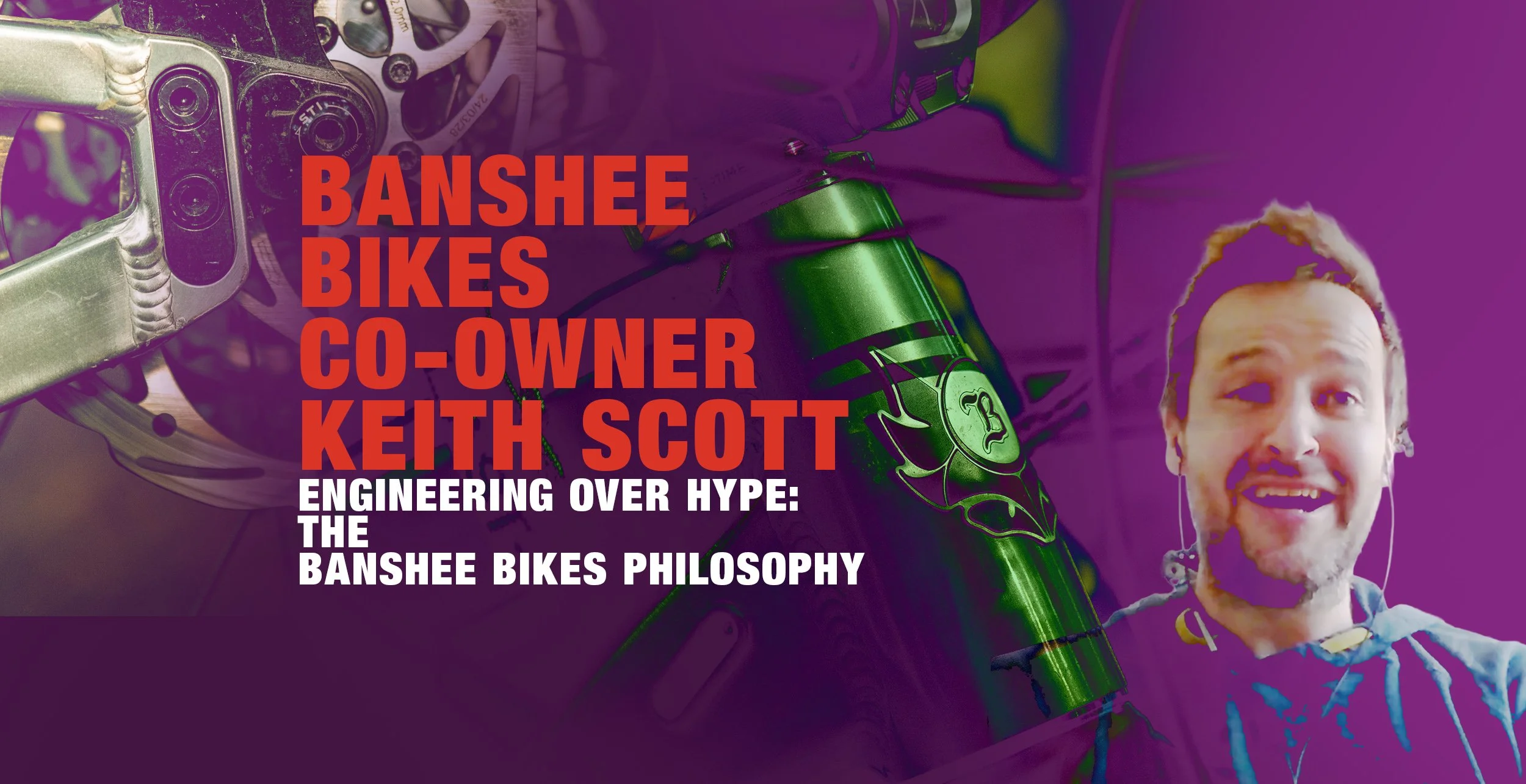
Podcast: Keith Scott: Banshee Bikes. Engineering Over Hype.
If you follow the mountain bike world, you know the story. Every year there's a new standard, a new "game-changing" innovation, and a marketing blitz telling us what we need to buy to be faster. But what if you're a brand that just... doesn't play that game? What's it like to build bikes on a completely different set of rules?
In this episode, we're sitting down with Keith Scott, the co-owner and chief engineer of Banshee Bikes. Keith is a fascinating voice in the industry—a self-described engineer first, who's built his company on the principle of "physics, not gimmicks."
We’re going to dig into why he thinks the pursuit of ultimate stiffness might be wrong, why he's skeptical of lab tests versus real-world mud and rocks, and how his small, non-mainstream-brand survives—and thrives—by deliberately ignoring the hype cycle. It's a candid look at the business of bikes from the inside, the value of being different, and what it really takes to build a machine that's just pure fun to ride.