Podcast: Keith Scott: Banshee Bikes. Engineering Over Hype.

In the TESTPILOT Podcast, we shed light on what makes the most passionate people thrive in the bike industry. In this episode, Banshee Bikes co-owner and chief engineer Keith Scott delved into the core principles that define his brand, why they build the bikes in the way they are and extends with a critical and insightful perspective on the state of the mountain bike industry. The discussion quickly centered on the ethos that has guided Banshee for years: a steadfast commitment to engineering integrity in a market often swayed by marketing cycles and trends.
You got curious on how Banshee bikes perform? Read the review of the Titan here.
Listen to the full conversation with Keith Scott on the TESTPILOT.bike Podcast for more insights on gearboxes, suspension design, and the art of building bikes that are simply more fun to ride.
If you use Spotify or Apple Podcast, you may also subscribe to our channels there. Easier to put the episodes on your speaker while driving to the riding spot.
Summary of the Testpilot Podcast with Keith Scott from Banshee Bikes
The Banshee Credo: Physics, Not Gimmicks
Scott is unequivocal about his approach: "I believe in physics, not gimmicks." While he acknowledges the power of marketing, he positions Banshee on a different path—one where the product must speak for itself.
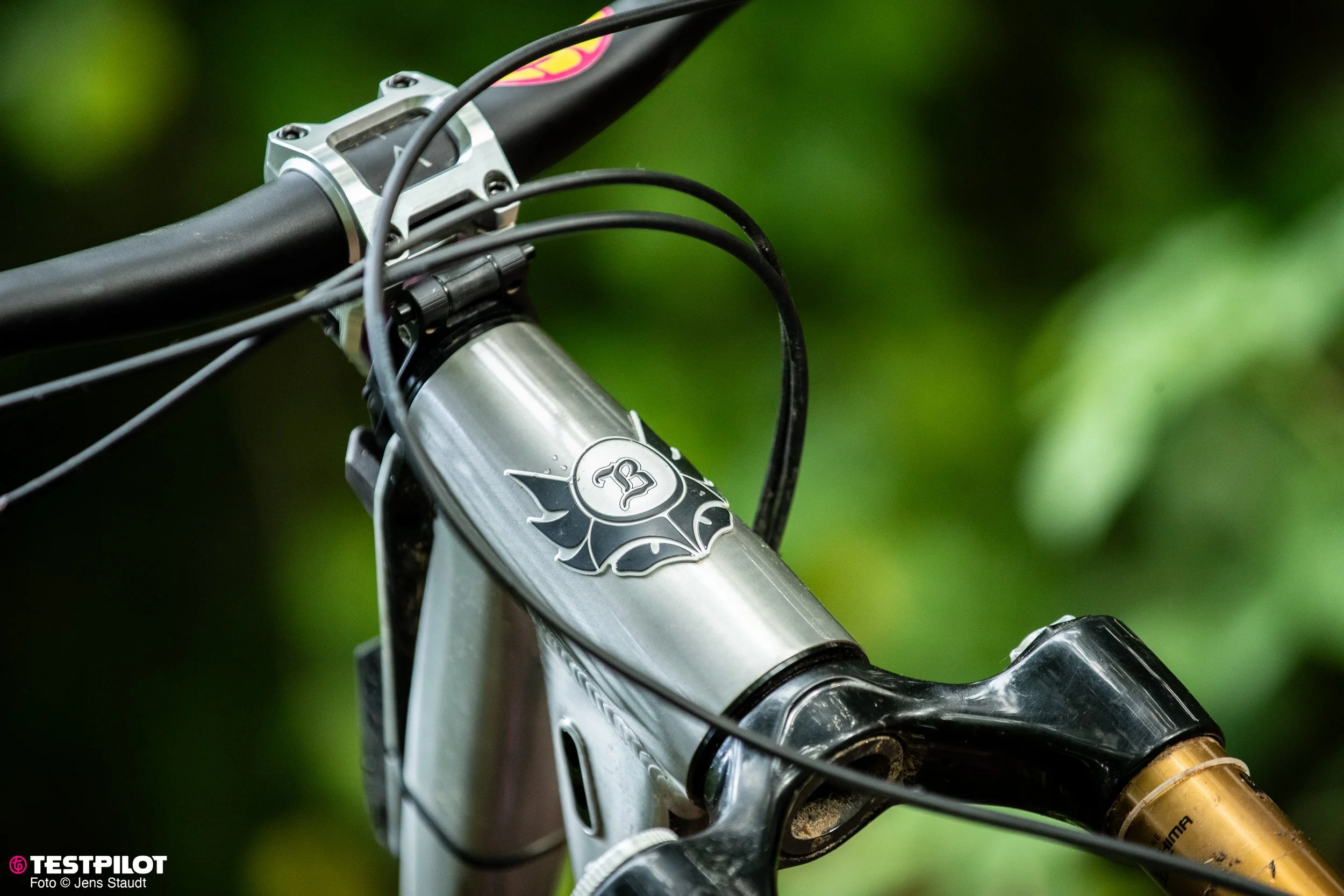
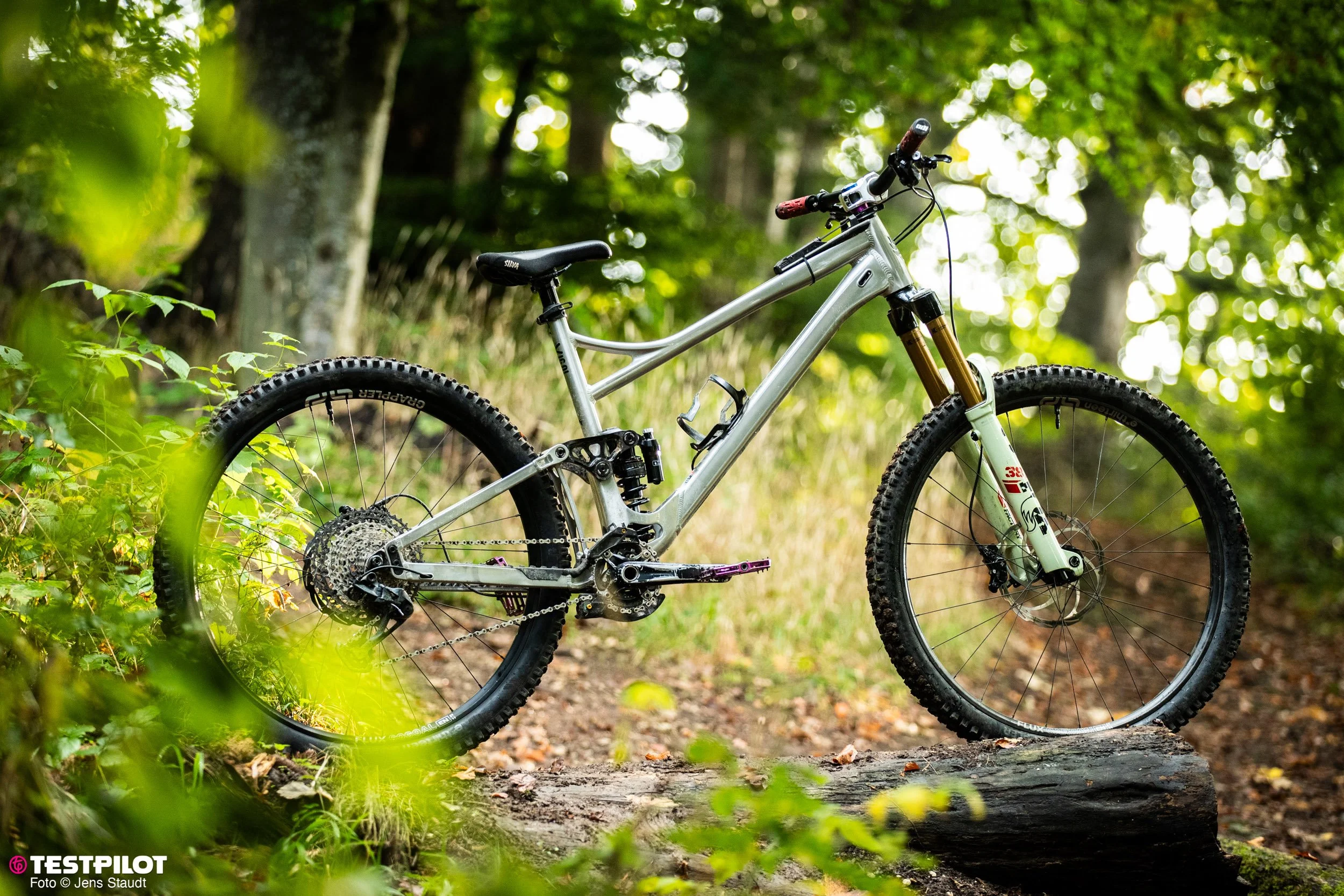
Performance as the Priority: Scott designs bikes he wants to ride, prioritizing confidence-inspiring geometry and balanced performance. He notes that many brands are now adopting the higher-stack, longer-chainstay philosophy that the Banshee Titan has championed for years, validating his focus on ride quality over fleeting trends.
The Strength of Difference: "Being different is an important aspect of how I operate," Scott states. He sees no future in directly competing with mega-brands on their terms. Instead, Banshee thrives by catering to riders who value substance, durability, and a distinct character.
A Deliberate Pace: In contrast to the industry's push for annual updates, Banshee will keep a frame design for four to five years. Investment goes into the product and refinement, not a relentless hype machine. This builds deep loyalty but, as Scott admits, makes breaking into the mainstream "quite tricky."
Challenging Industry Narratives: Stiffness, Weight, and Real-World Performance
An engineer at heart, Scott questions simplified industry narratives. He argues that the relentless pursuit of "stiffer and lighter" isn't always the answer for real-world riding.
The Flex Factor: He recalls the painful arrival of over-stiff 35mm handlebars and points out that some World Cup mechanics strategically increase frame flex for better traction. For Scott, the goal is a predictable, balanced flex pattern, not maximum rigidity.
Beyond the Lab Test: While lab testing is a necessary baseline, Scott emphasizes it can't replicate the chaotic, multi-directional impacts of the trail. He praises companies like Newmen Wheels for innovating their testing to better simulate real-world damage, unlike standard tests that use perfect, often unrealistic, impacts.
A Tire Epiphany: His own experimentation serves as a case study. After trying various lightweight tire and insert combinations, he returned to robust downhill casings, finding they offered superior damping, traction, and a more confident ride. "I was completely wrong when I first started," he admits, highlighting the importance of real-world testing and being open to learning.
The Road Ahead: New Bikes and Focused Independence
Despite the pressures of a fluctuating market, Banshee is steadily evolving. Scott confirmed that new models are in development, including a highly anticipated new Darkside freeride bike and a Legend, both built on a fresh platform. These designs will incorporate direct customer feedback, with a likely return to external cable routing for easier maintenance, alongside improved geometry and compatibility.
The overarching theme is one of purposeful independence. Banshee operates on a consciously small scale, using flexible manufacturing and a direct, community-focused model. Scott has no desire to sell tens of thousands of frames, preferring a scale that allows unwavering focus on the product and a genuine connection with a core group of riders.
"We don't compete with the big guys. We can't compete with the big guys in the way that they do things," Scott concludes. "We just keep on doing it our way." In an industry leaning toward consolidation and homogeneity, Banshee's commitment to engineering-first design and boutique agility stands out as a compelling choice for riders who value lasting performance over spectacle.
You got curious on how Banshee bikes perform? Read the review of the Titan here.