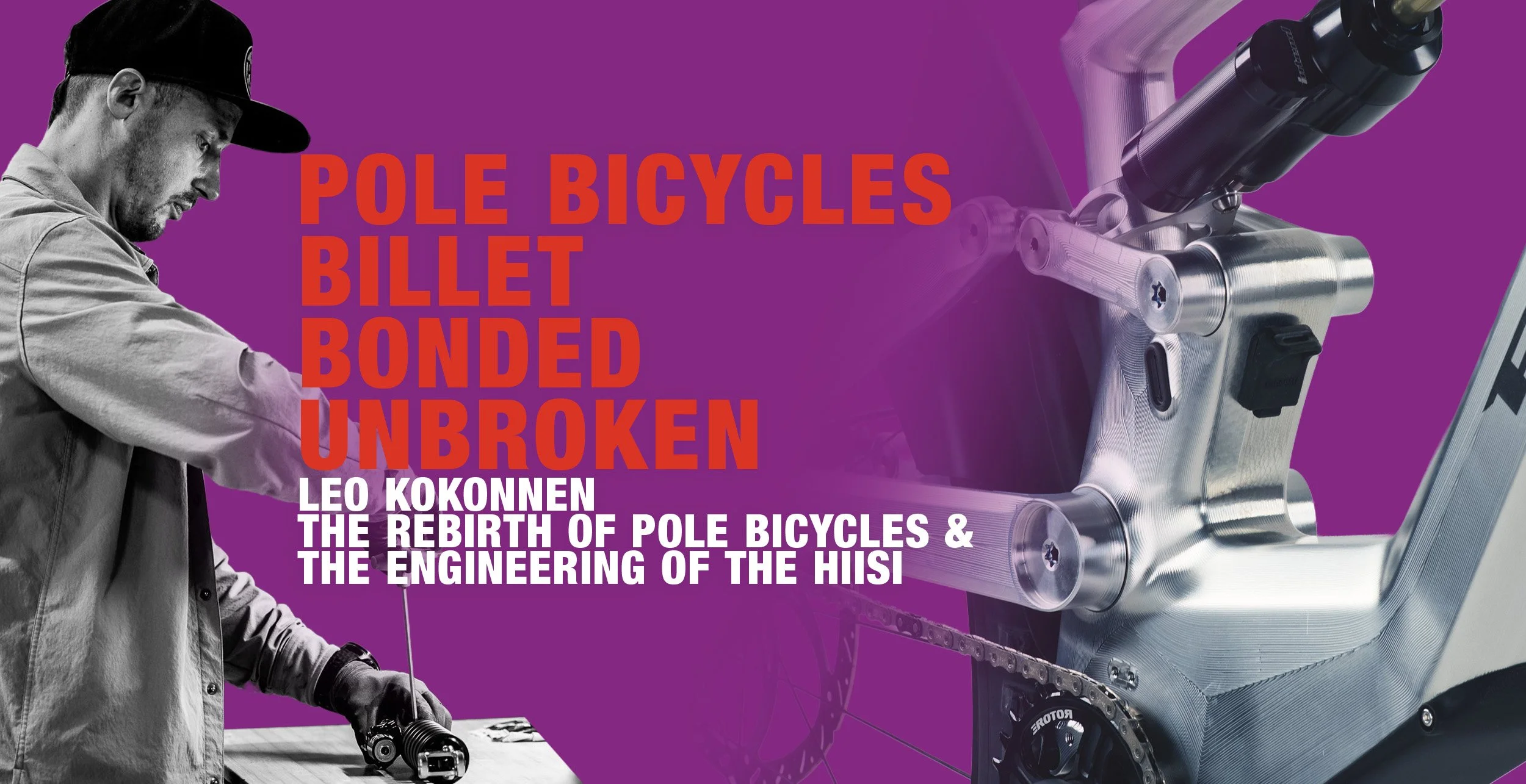
Podcast: Nerding Out with Darren Murphy of Push Industries
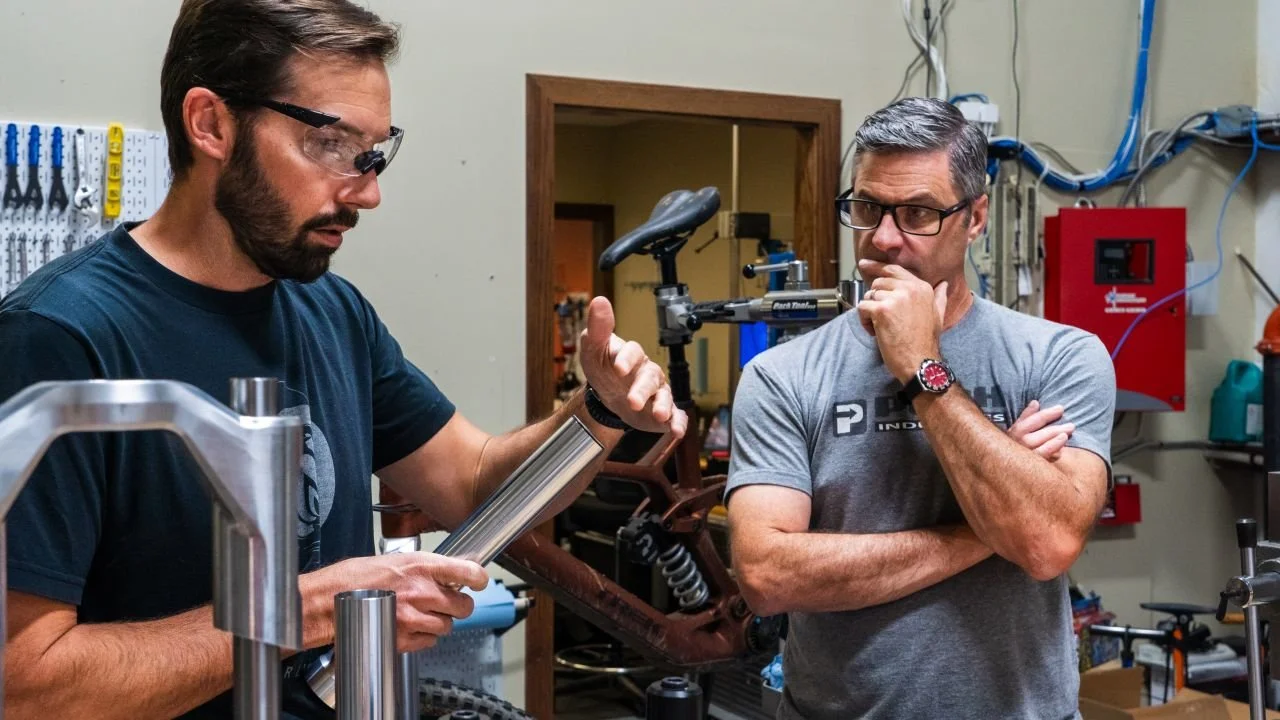
If you’ve ever found yourself deep in the weeds of suspension kinematics or obsessing over damping curves, you’re in good company. In the high-tech sanctuary of Push Industries in Colorado, founder and CEO Darren Murphy has spent two decades following his very own revolution in mountain bike suspension. This isn't just about making better parts; it's a technical philosophy—and perhaps a bit of stubbornness—required to build a manufacturing powerhouse that prioritizes elite performance above all else.
This episode sheds light on the history of the company and later takes a deep dive in how Push suspension works. It explains a lot about how suspension works and you will learn a lot directly from the mind behind the product.
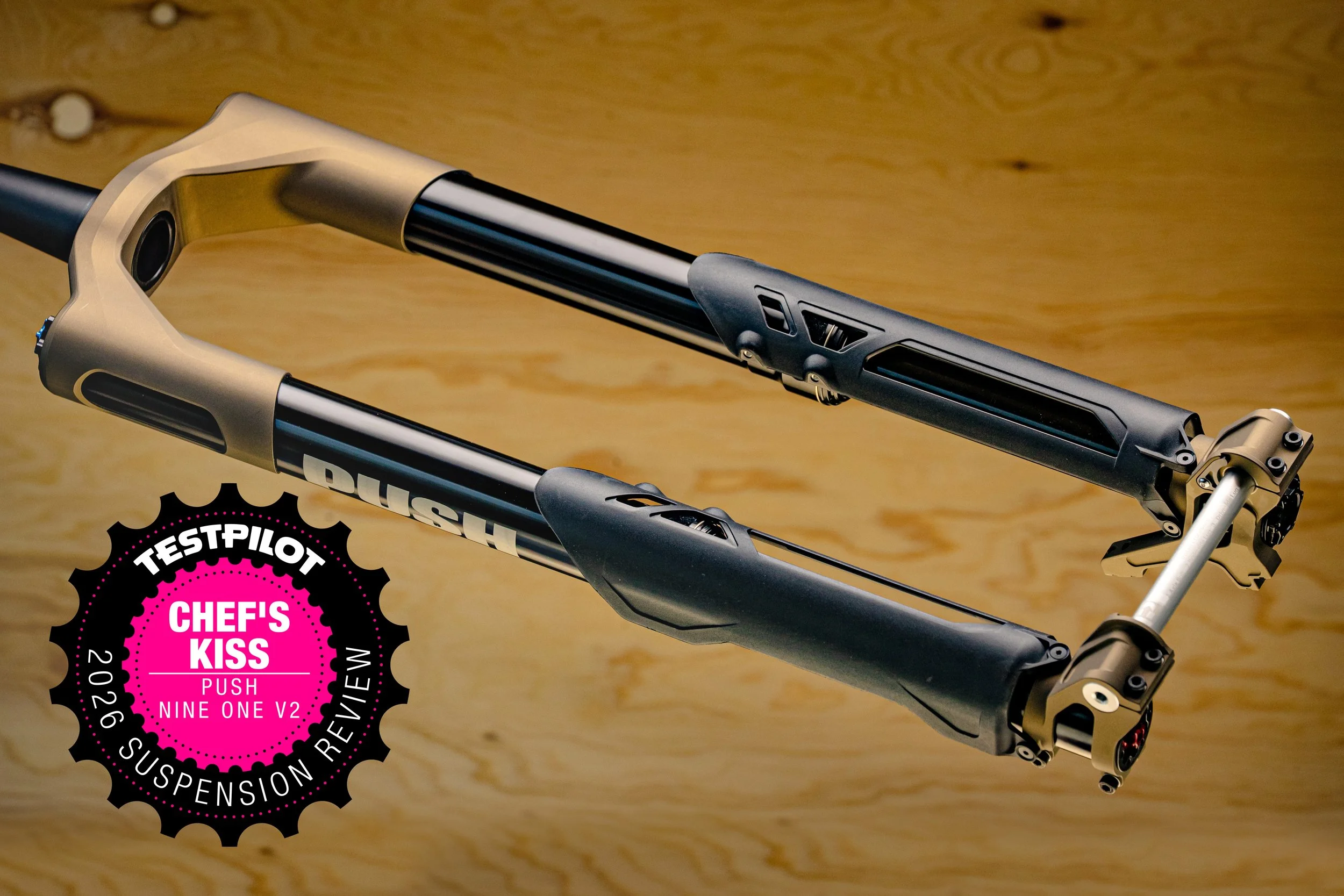
You got curious on how the PUSH Nine.One performs? Have a look at our 170 mm suspension field test. bikes perform?
Listen to the full conversation with Darren Murphy on the TESTPILOT.bike Podcast for more insights in the passion of building an all bells and whistles suspension product.
If you use Spotify or Apple Podcast, you may also subscribe to our channels there. Easier to put the episodes on your speaker while driving to the riding spot.
Using another podcast app? Select your streaming app here
The podcast has time marks to make it easier for you to relisten or jump directly to the part you are most interested in.
0:00 - Intro
1:26 - Darren shares his passion for motorsports and bicycles.
2:39 - Darren discusses the founding of Push Industries and its initial focus.
5:01 - Transition to manufacturing and the impact of the 2008 financial crisis.
6:42 - The decision to create their own shock and the introduction of the 11.6.
11:29 - Emphasis on customer experience and global partnerships.
18:03 - Custom tunes for different rider weights.
22:53 - Discussion on the 9.1 fork and its unique features.
27:15 - Insights into Push's suspension technology and tuning philosophy.
36:12 - Insights into Push's damping technology
39:42 - We do 80% internal damping while only 20% is externally adjustable
44:54 - How Push collects data and feedback for product development.
47:28 - How push puts together custom tunes
50:04 - Damping forces and shaft speeds explained
59:01 - Everything is a compromise
1:01:58 - How radial tires change suspension settings
1:03:59 - The perfect world engineering solution. Everything from one manufacturer
1:04:53 - Closing thoughts on trying different setups and improving performance.
1:05:24 - 9 out of 10 times your suspension is hard because it is too soft
1:07:39 - You don’t need to use your travel all the time
Summary of the Testpilot Podcast with Darren Murphy from Push Industries
Darren's Background and Passion
Darren’s journey didn't begin with a bmx like most of us; it started with the roar of motorsports. Growing up during the mountain bike boom of the 90s, he watched the birth of early tech like the RockShox RS1 and Mag-21, but noticed a glaring contrast between the bike world and his background in racing. In motorsports, a thriving "hop-up" culture allowed drivers to buy aftermarket high-performance parts to elevate their stock gear. Darren brought that racing pedigree to mountain biking, fueled by a passion for the mechanics of control and a desire to see that same level of elite tuning available to every rider.
Founding Push Industries
In 2003, Push Industries was born to bridge that performance gap. Initially, the company operated as a one-man tuning operation, offering high-performance piston kits and custom valving for Fox rear shocks. Darren saw an opportunity to provide a "factory team" experience to the public, focusing on extracting maximum performance from existing platforms through precision internal modifications.
Growth and Manufacturing
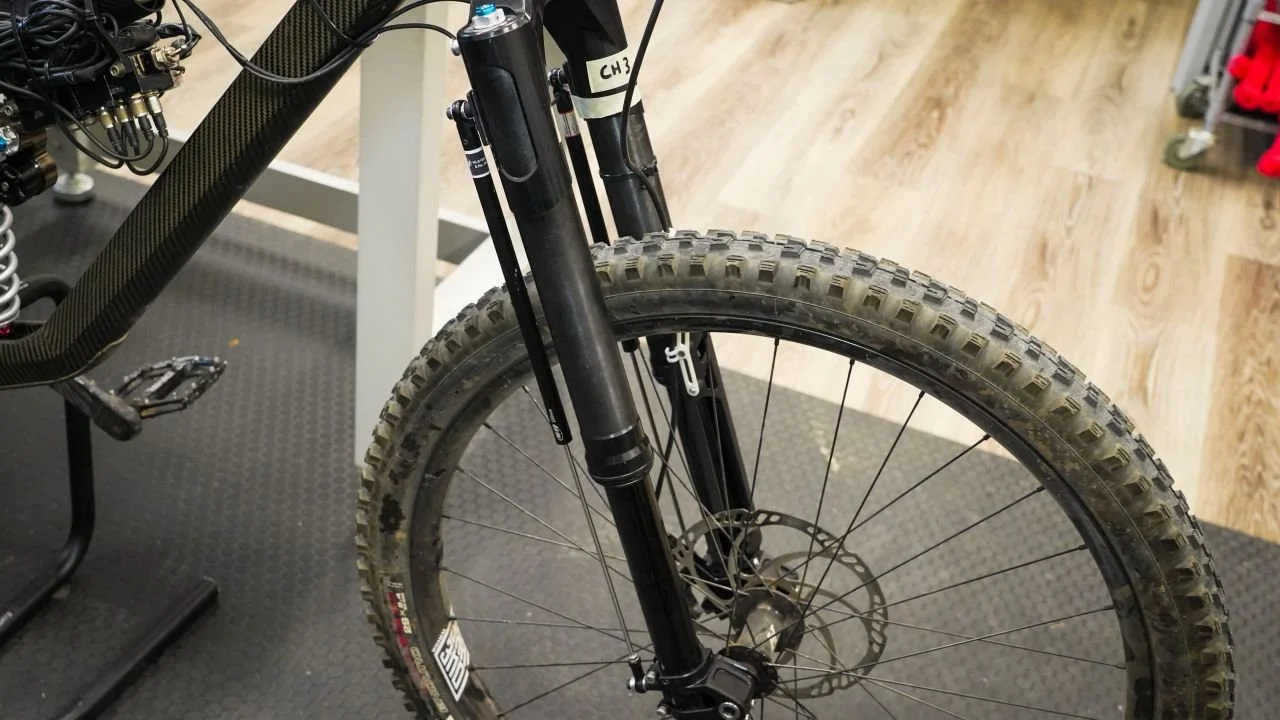
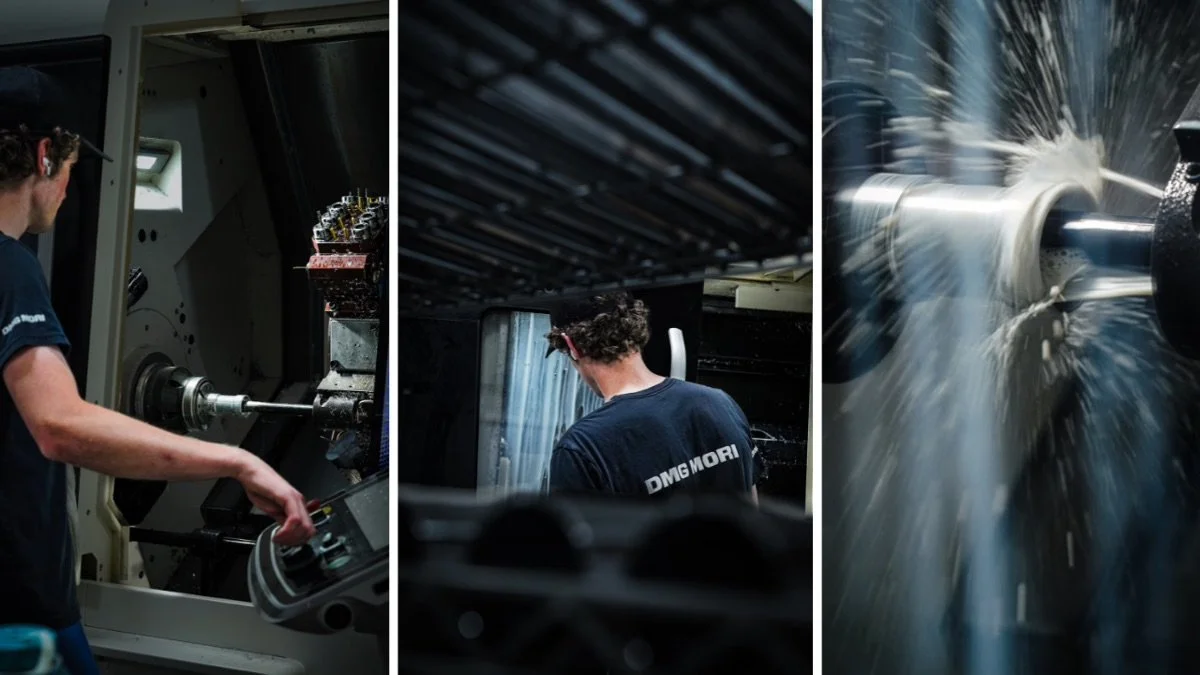
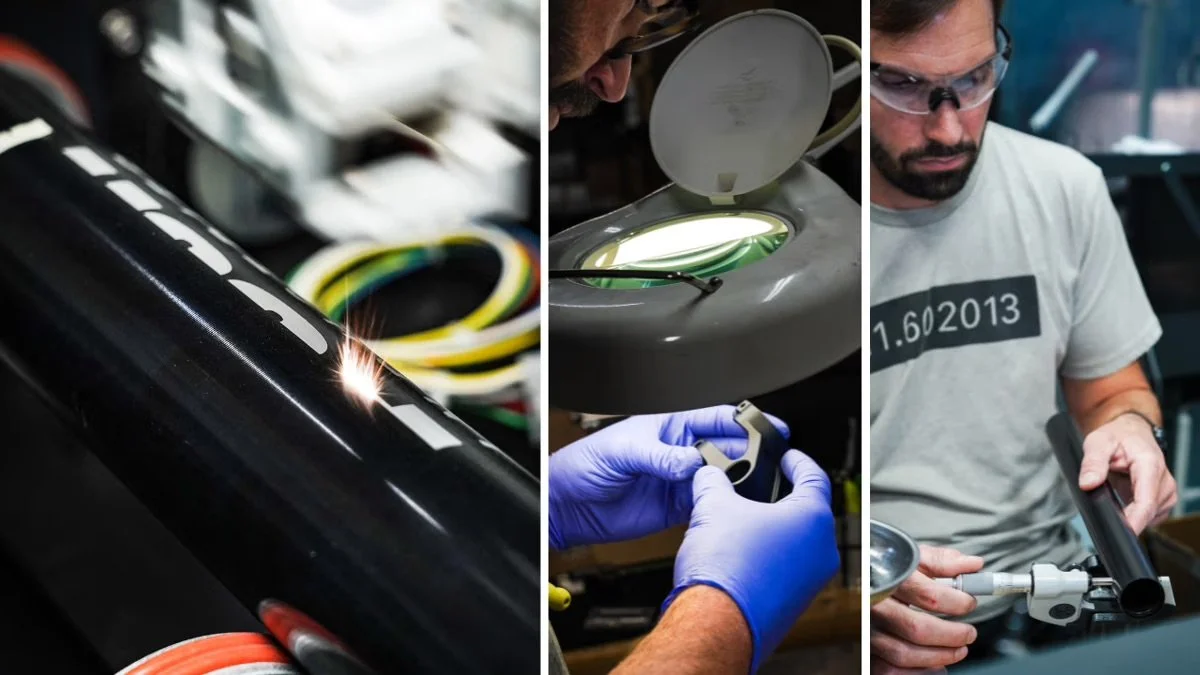
What began in a small warehouse eventually hit a "slippery slope" toward full-scale manufacturing. The 2008 financial crisis served as a catalyst; when outside vendors struggled with quality and lead times, Darren made the radical decision to bring everything in-house. By 2009, Push brought in its first CNC machine, transforming the company from a service center into a manufacturer capable of producing components with aerospace-level precision. This control allowed them to stop modifying other brands' products and start designing their own from the ground up.
Development of the 11.6 Shock
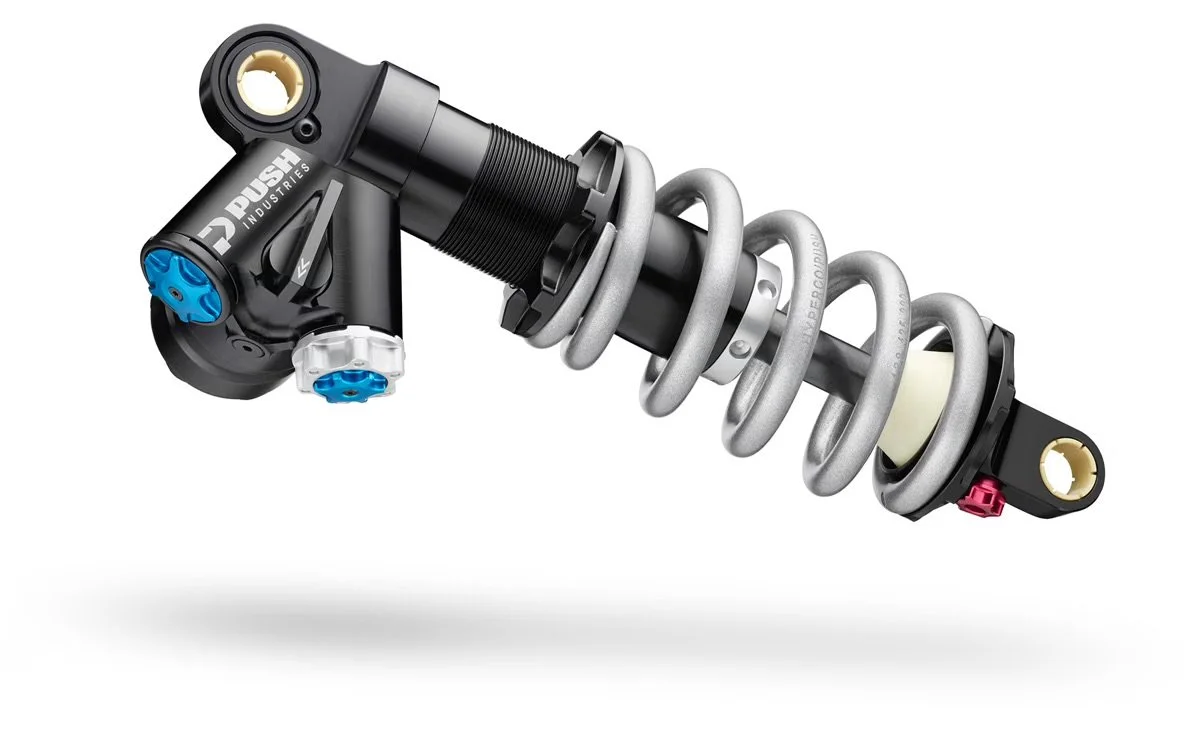
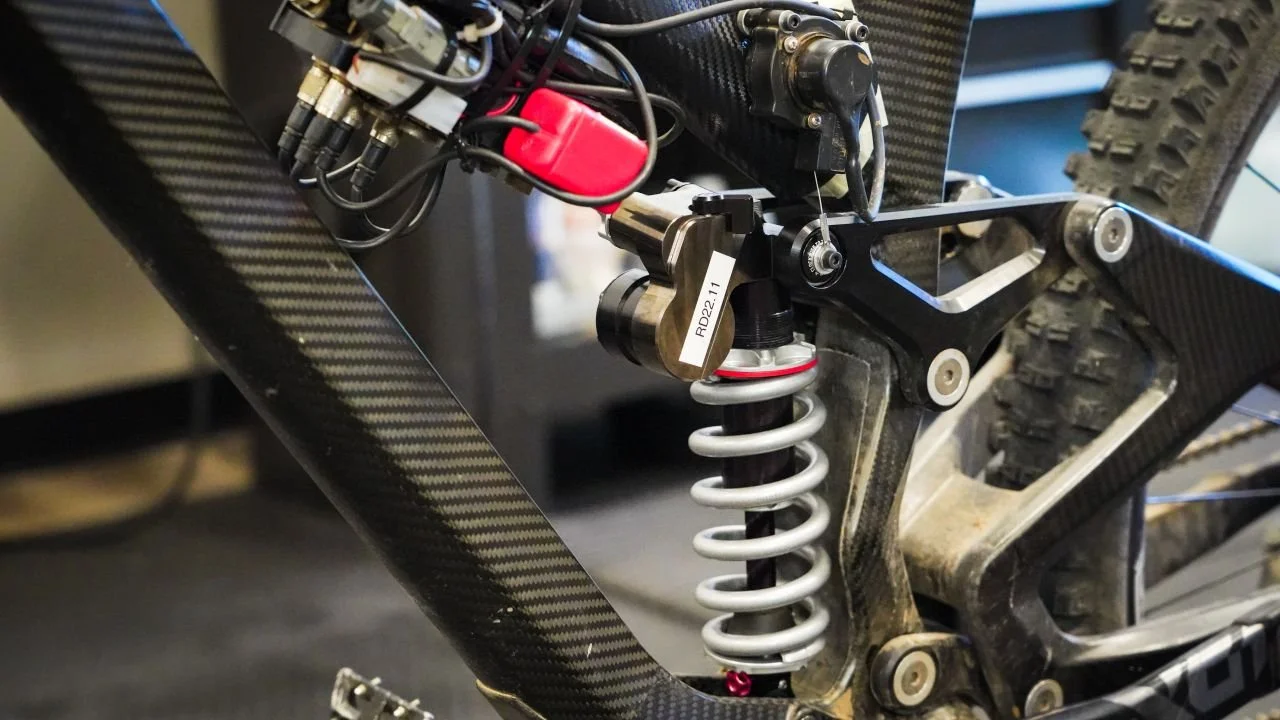
ElevenSix Shock
By 2013, the frustration of being tied to other manufacturers' spare parts led to the birth of the ELEVENSIX (11.6) shock, launched in 2015. It was a radical departure—a high-performance coil shock designed for trail and enduro bikes like the Santa Cruz Nomad rather than just downhill rigs. The 11.6 introduced a Dual Overhead Valve Design, effectively providing "two shocks in one" by allowing riders to toggle between two completely independent ride modes—such as a plush DH mode and a firm climb mode—without any performance compromise.
Customer Experience and Partnerships
A Push product is designed to be a long-term investment, not a seasonal upgrade. When a customer orders a shock or fork, they aren't just buying a box of parts; they are entering a partnership. Each product is built specifically for the rider's weight, bike leverage ratio, and riding style. This "expert-led" relationship includes a 60-day performance guarantee—if the tune isn't perfect, Push will re-valve it for free. Furthermore, they offer a warranty reset program: every time you send your gear in for factory service, the warranty starts fresh, encouraging riders to keep their high-end components running for decades.
Product Development and Innovation of a Fork
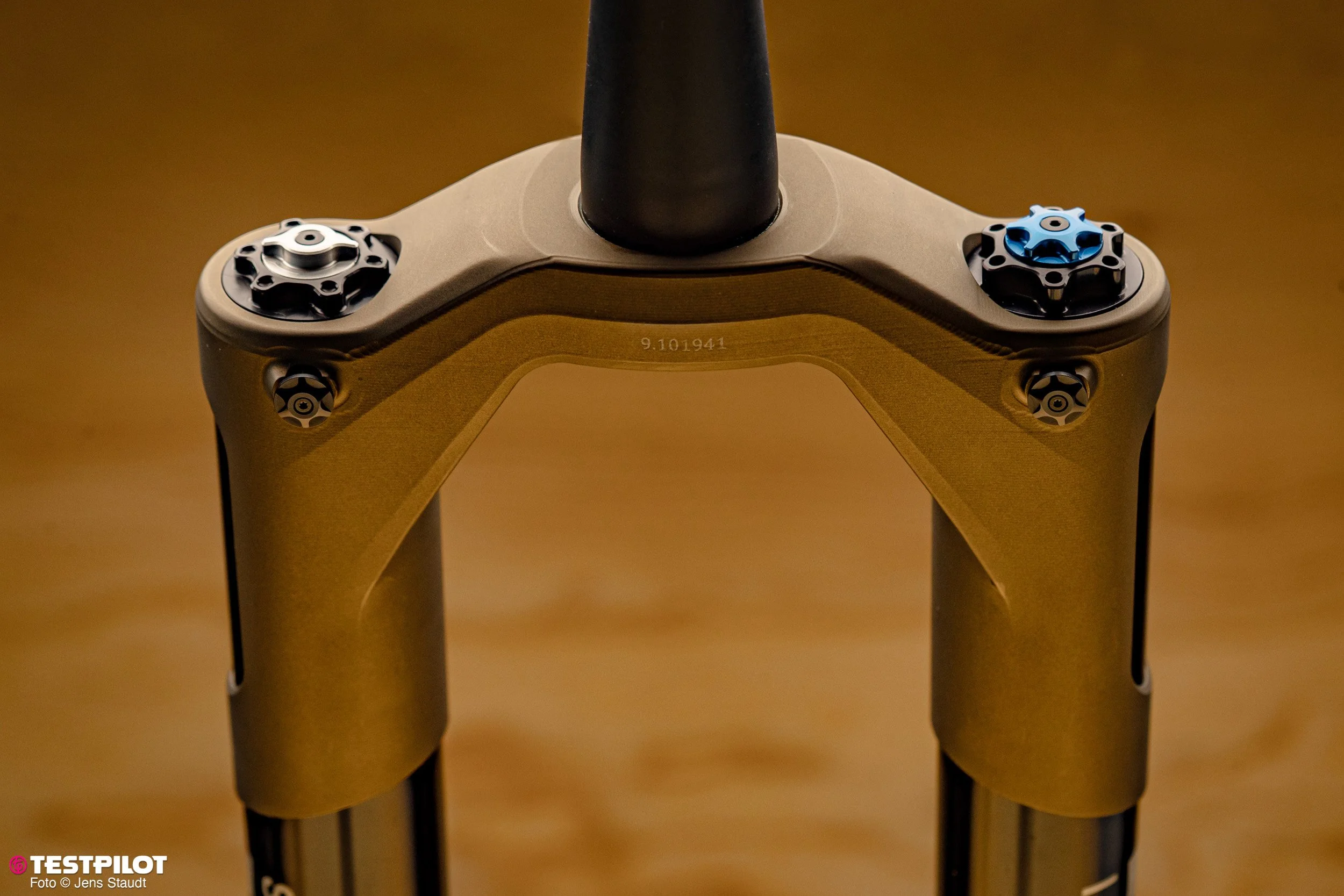
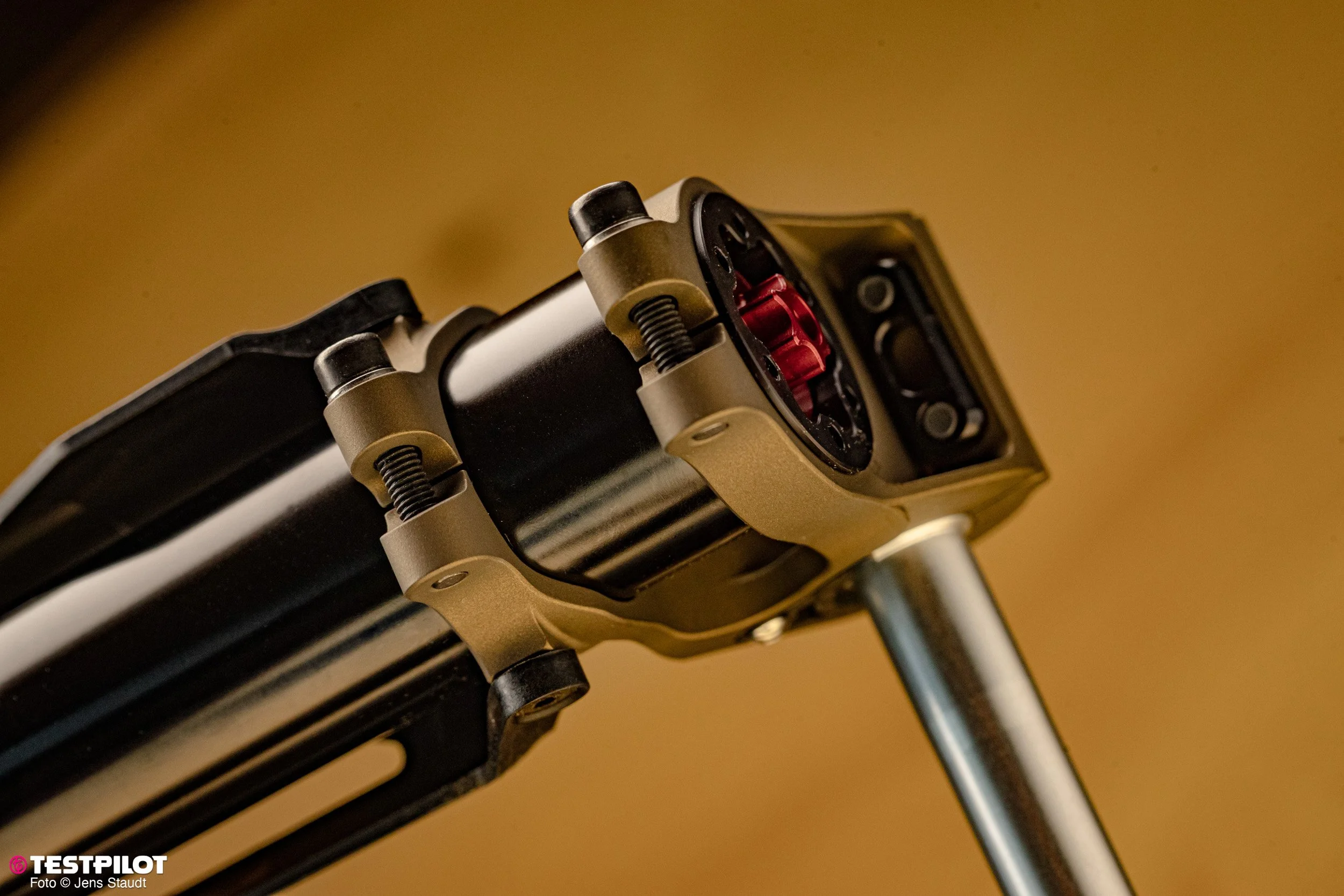
The NINE ONE (9.1) inverted fork represents years of experimentation, utilizing an FE-optimized chassis with massive 44mm upper aluminum tubes and 36mm lower stanchions. Darren drew on his 30 years of moto experience to choose an inverted design, which ensures the seals and bushings are constantly submerged in oil for permanent lubrication. While it is a heavyweight at approximately 2,800g, it converts that mass into extreme stiffness and composure. The fork guards and modular lugs are secured with precision clamping screws, and the entire structure is permanently bonded with special adhesive to ensure structural integrity.

ACS-3 – Made to turn your FOX or RockShox into a Coil sprung bump eater. Somewhat a step towards the Nine.One.
Suspension Technology and Tuning
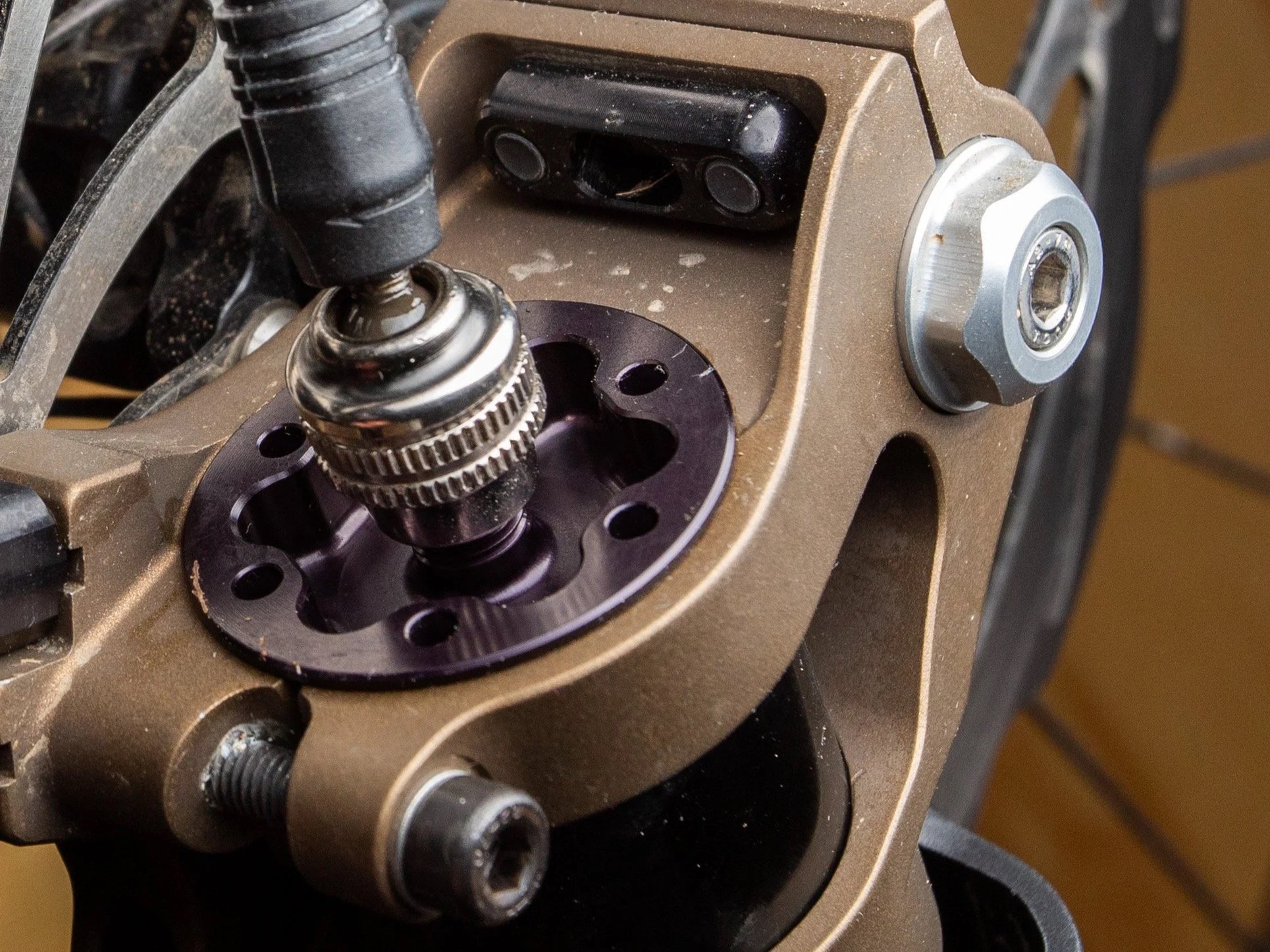
Adjustable HBO sits on the lower left.
Innovation in the 9.1 fork includes the "Sub Chamber" (patent-pending pneumatic bottoming system), which allows riders to toggle mid-stroke support on the fly. This button allows for a linear, supple feel in slippery conditions or a progressive, firm feel for aggressive bike park laps. Additionally, an independent Hydraulic Bottom Out (HBO) piston manages the final 10-45mm of travel, providing a "bottomless" feel. The chassis also features pressure relief valves to dump excess atmospheric pressure that can build up during long descents, maintaining fork sensitivity.
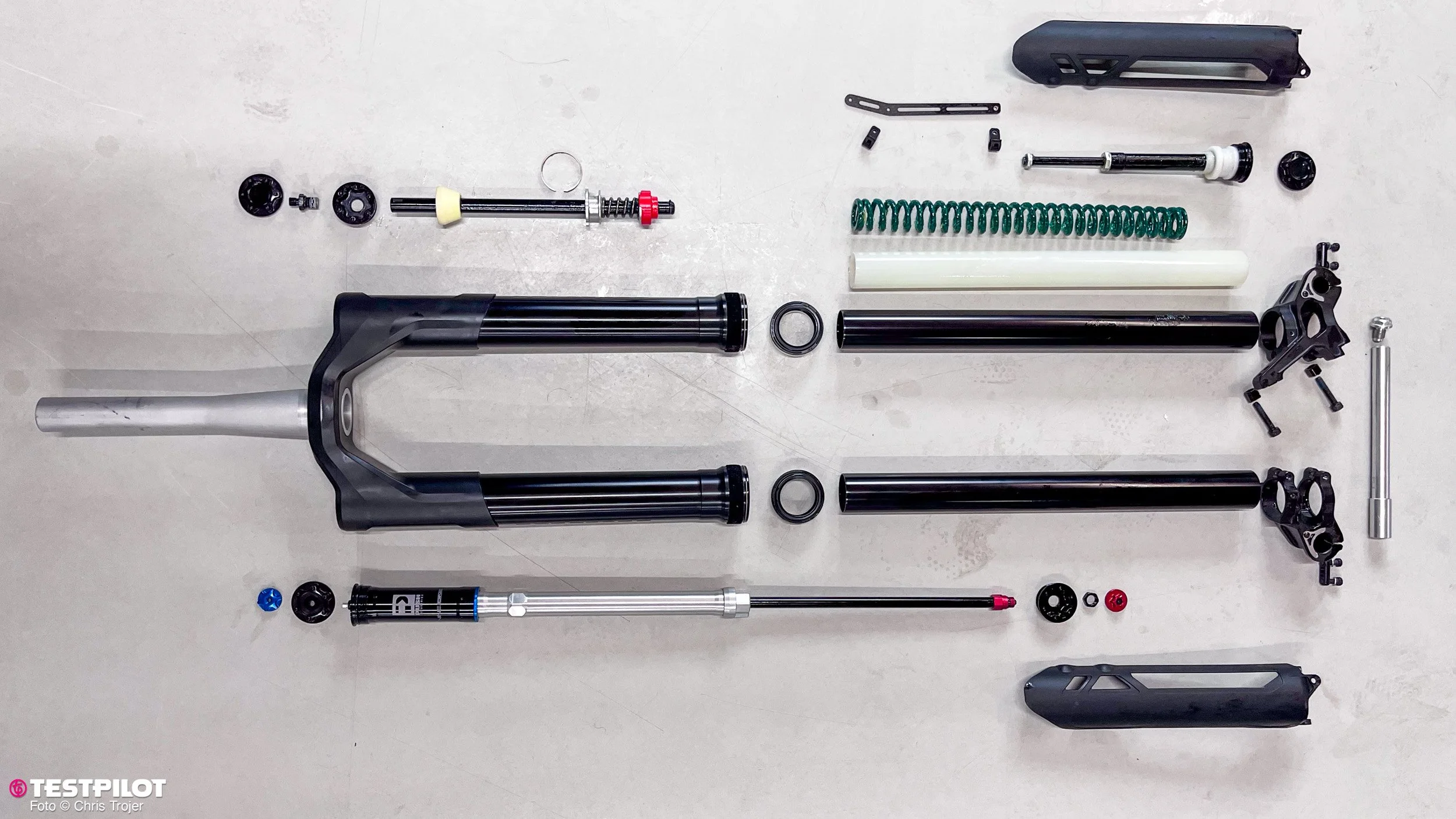
Made. In-house. In Colorado.
Push Damping
Push damping operates on a strict 80/20 rule: 80% of the damping is preset internally for the specific rider, leaving the remaining 20% as a usable range for fine-tuning via external clickers. They utilize shimless valve technology, where precision-machined ports manage fluid flow with extreme accuracy, avoiding the inconsistencies of traditional shim stacks. This creates a "Silent Surround" experience, where the fork remains active and connected to the trail without the noise or friction often found in mass-produced alternatives.
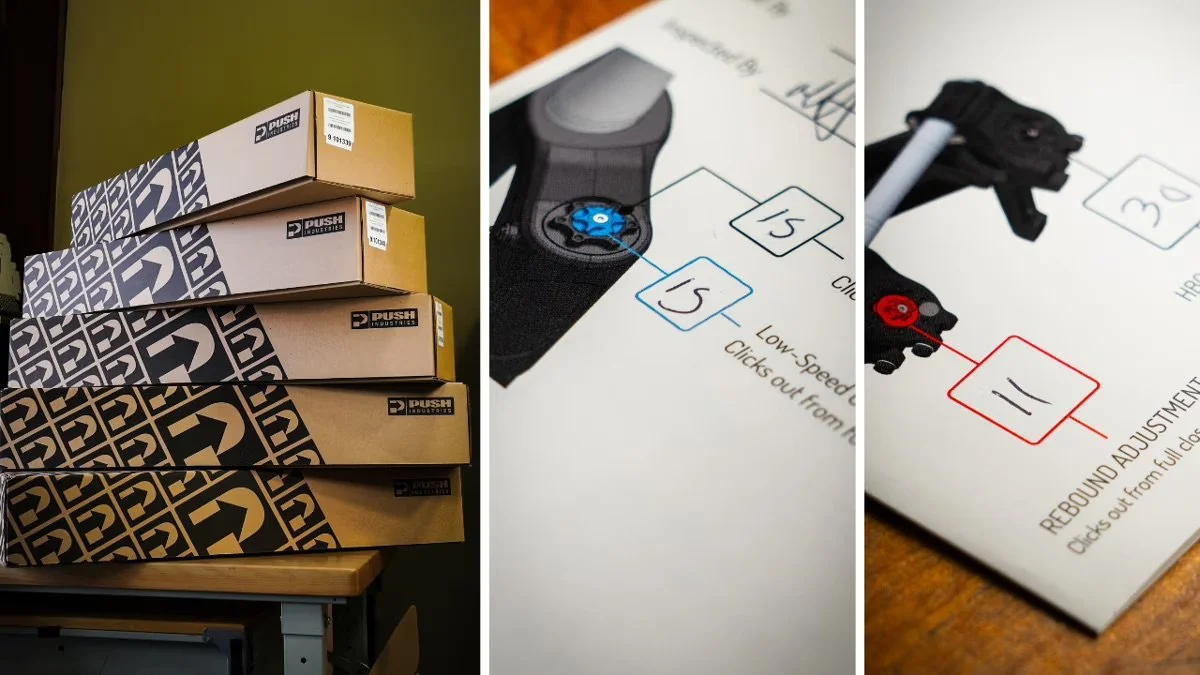
Every customer gets his fork preset to his needed tune. This is part of the buying process.
Testing, Feedback, and Tuning
Testing at Push is a data-driven science involving electromagnetic dynos and on-trail data logging. During field tests, riders have noted that the 9.1 eliminates the sensation of "fighting against lines," providing a damping quality that works through shaft speed to stay active and composed. Because the base setup is documented upon delivery, riders can experiment with the high-speed and low-speed adjusters, knowing they can always return to their personalized "square one".
Final Thoughts and Recommendations
Darren offers one final piece of counter-intuitive advice: the "Harshness Paradox". Most riders who feel harshness assume their suspension is too stiff, but 9 out of 10 times, it is actually too soft. Soft suspension rides deep in the progressive part of the stroke where forces are highest; stiffening the spring rate brings the fork back up into the "fluffy" initial travel, which feels smoother. He also recommends ignoring the travel indicator O-ring—if the bike feels composed and you aren't feeling violent bottom-outs, the suspension is doing its job perfectly. In the end, the tire is your first stage of suspension, and sometimes a 2-psi change or a move to radial tires is more effective than any damping adjustment.

You got curious on how the Push Nine.One performs on the trail? Read the review here.